# Creatine Bloating Solutions: How to Minimize Water Retention
Bloating and water retention are the most commonly cited side effects of creatine supplementation — and the number one reason people consider stopping. But here's the important distinction most people miss: the water retention creatine causes is primarily intracellular (inside muscle cells), which is actually beneficial. The uncomfortable bloating some users experience is largely preventable with proper dosing and timing strategies.
Understanding Creatine and Water
When you supplement with creatine, your muscles store more creatine phosphate. This process is osmotic — creatine draws water into muscle cells. Powers et al. (2003) in the Journal of Athletic Training documented that creatine supplementation increases total body water, with the weight gain during loading phases (typically 1–3 kg) being almost entirely attributable to water retention.
Critically, Ziegenfuss et al. (1998) in Medicine and Science in Sports and Exercise used bioelectrical impedance analysis and demonstrated that creatine supplementation primarily increased intracellular water — water held inside muscle cells. This intracellular hydration is distinct from subcutaneous water retention (the puffy, bloated appearance) and is actually associated with positive cellular signaling, including enhanced protein synthesis.
Häussinger et al. (1993) in The Lancet proposed that cellular hydration serves as an anabolic signal, with increased cell volume promoting protein synthesis and inhibiting protein breakdown. In other words, creatine's water-pulling effect into muscles is a feature, not a bug.
Why Some People Feel Bloated
If intracellular water retention is beneficial, why do some creatine users look and feel bloated? Several factors explain this:
1. Loading Phase Overload
The traditional loading protocol (20 g/day for 5–7 days) floods the body with more creatine than the muscles can immediately absorb. The excess creatine circulates in the bloodstream and extracellular fluid, pulling water into extracellular spaces — including subcutaneous tissue — before being excreted or gradually taken up by muscles.
Hultman et al. (1996) in the Journal of Applied Physiology showed that muscle creatine uptake has a saturation rate. Loading with high doses means a significant portion of each dose exceeds this uptake capacity, contributing to extracellular water retention and GI distress.
2. High Sodium Intake
Creatine's osmotic effects interact with sodium, which also retains extracellular water. A high-sodium diet combined with creatine loading amplifies the puffy, bloated appearance. This is extracellular water retention — the visible, uncomfortable type.
3. GI Distress
Taking large single doses of creatine (especially 5–10g at once on an empty stomach) can cause gastrointestinal discomfort, including stomach distension that feels like bloating. Jäger et al. (2011) in the Journal of the International Society of Sports Nutrition noted that dividing doses throughout the day reduces GI side effects.
4. Individual Variation
Genetics, body composition, baseline creatine stores, and diet all influence the degree of water retention. Individuals with lower baseline muscle creatine (vegetarians, for example) may experience more dramatic initial water shifts as their muscles rapidly fill with creatine and water.
Evidence-Based Solutions
Solution 1: Skip the Loading Phase
The most effective strategy for minimizing bloating is simply eliminating the loading phase.
Hultman et al. (1996) demonstrated that taking 3 g/day of creatine monohydrate achieves the same muscle saturation as a 20 g/day loading protocol — it just takes approximately 28 days instead of 7. By avoiding the loading phase, you prevent the acute overload of creatine in extracellular fluid that causes the most noticeable water retention and bloating.
Recommendation: Start with 3–5 g/day from day one. You'll reach full saturation within a month without the bloating spike.
Solution 2: Microdose Throughout the Day
If you want to use a loading phase or simply want to minimize per-dose GI impact, divide your daily intake into smaller doses.
Instead of 5 g once daily, try:
- 2.5 g twice daily, or
- 1.5 g three times daily
Jäger et al. (2011) confirmed that smaller, distributed doses reduce GI discomfort. This also means more gradual osmotic shifts and less acute extracellular water retention.
Solution 3: Take Creatine With Meals
Co-ingesting creatine with food — particularly meals containing carbohydrate and protein — enhances muscle creatine uptake via insulin-mediated transport (Green et al., 1996, American Journal of Physiology). Better muscle uptake means less creatine lingering in extracellular fluid and less extracellular water retention.
Additionally, food buffers the stomach, reducing GI distress that contributes to the sensation of bloating.
Solution 4: Manage Sodium Intake
Reducing dietary sodium helps minimize extracellular water retention. This doesn't mean eliminating sodium (which is essential for health and performance), but rather avoiding excessive processed food intake during the initial weeks of creatine supplementation.
The USDA dietary guidelines recommend less than 2,300 mg sodium per day. During creatine initiation, staying closer to this guideline can noticeably reduce subcutaneous water retention.
Solution 5: Increase Water Intake
Counterintuitively, drinking more water can reduce bloating. When the body senses adequate hydration, it reduces aldosterone and antidiuretic hormone (ADH) secretion, promoting the excretion of excess extracellular water. Chronic mild dehydration triggers water-conserving hormones that worsen bloating.
Kreider et al. (2017) in the JISSN emphasized adequate hydration during creatine supplementation. Aim for at least 3–4 liters of water daily, adjusted upward for exercise and heat.
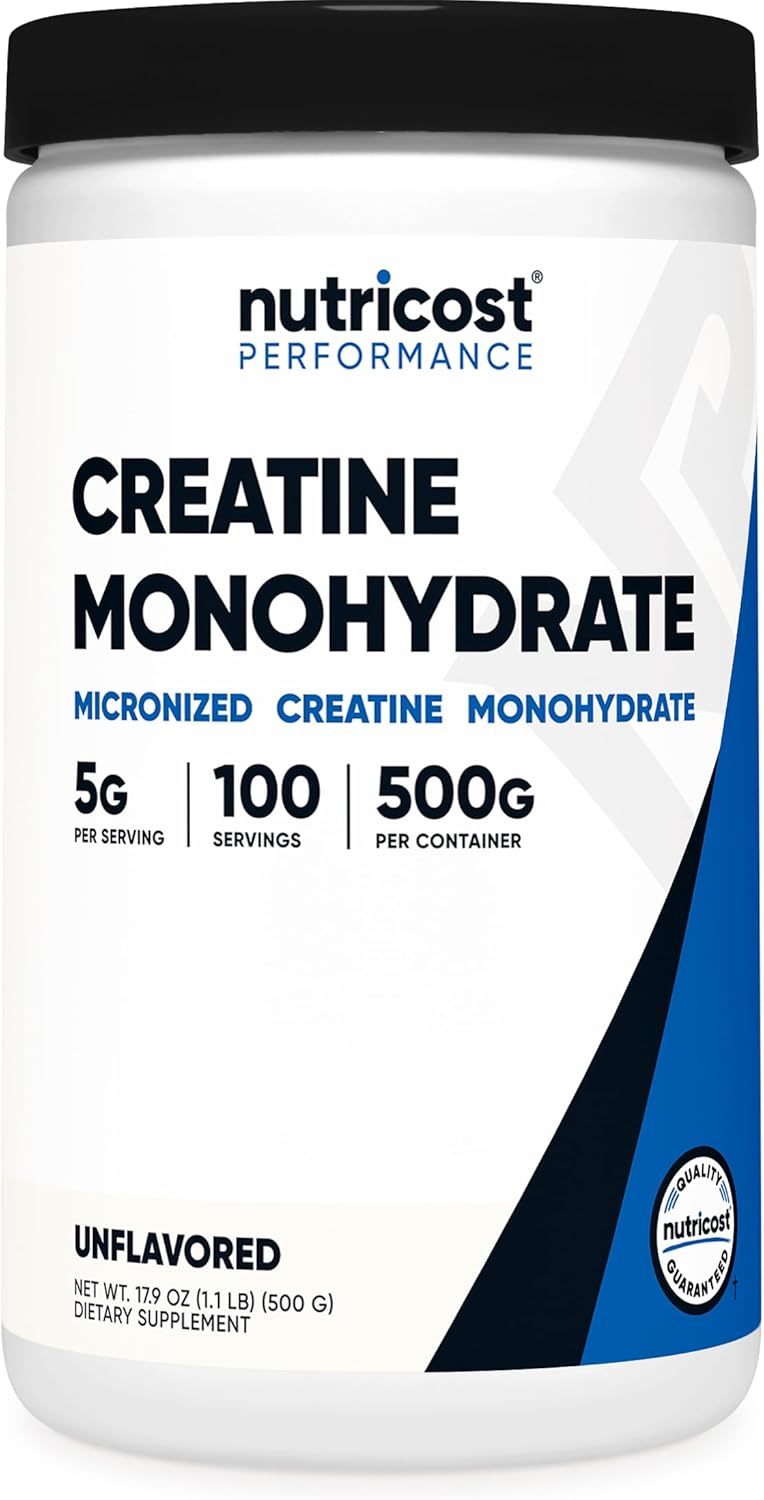
Solution 6: Try Micronized Creatine
Micronized creatine monohydrate has smaller particle sizes than standard creatine, which improves dissolution in water and may enhance absorption. Better dissolution can reduce the amount of undissolved creatine sitting in the gut, decreasing GI-related bloating.
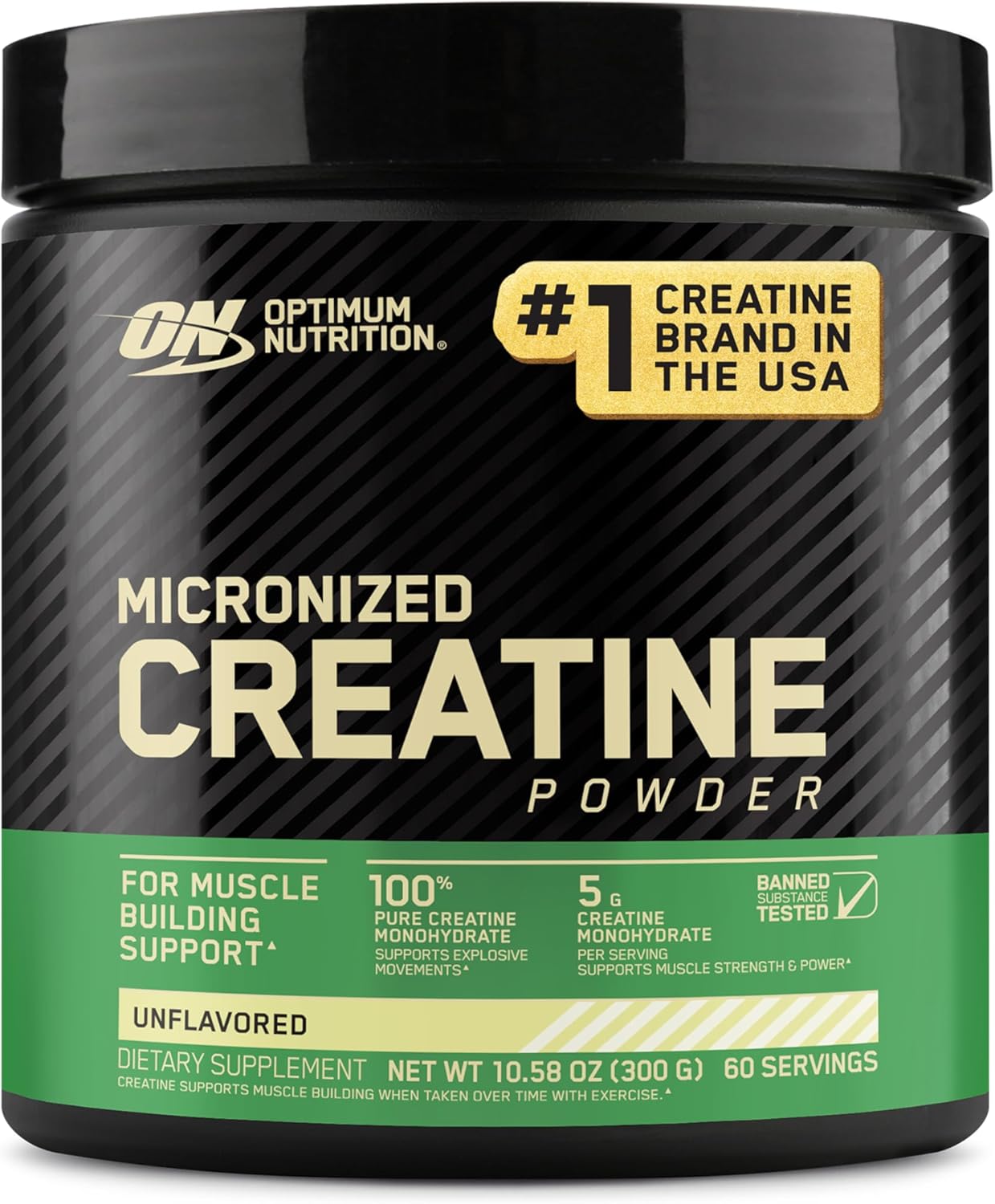
Several products (like Optimum Nutrition Micronized Creatine) specifically offer this finer particle size.
Solution 7: Consider Creatine HCl (Short-Term)
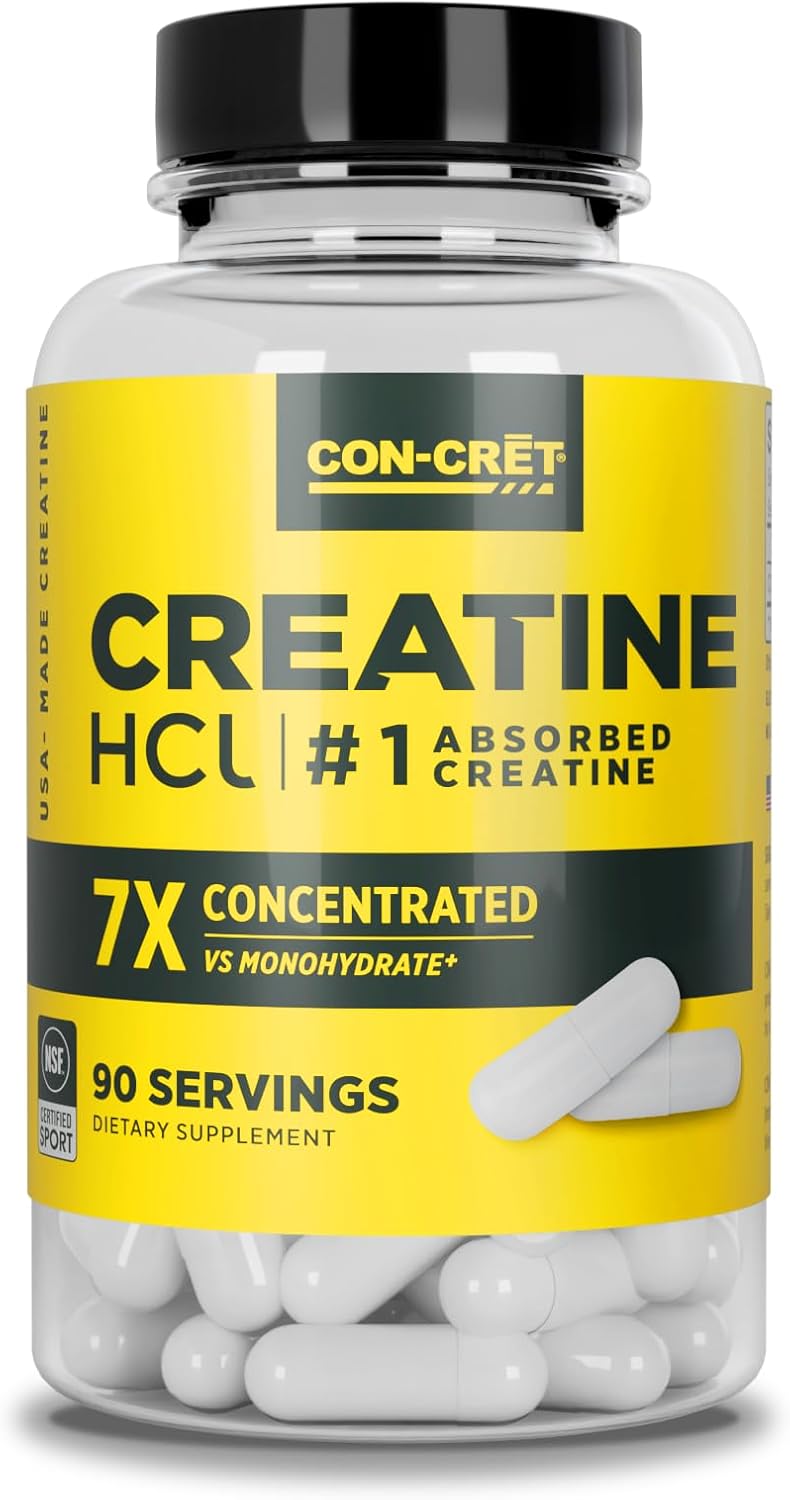
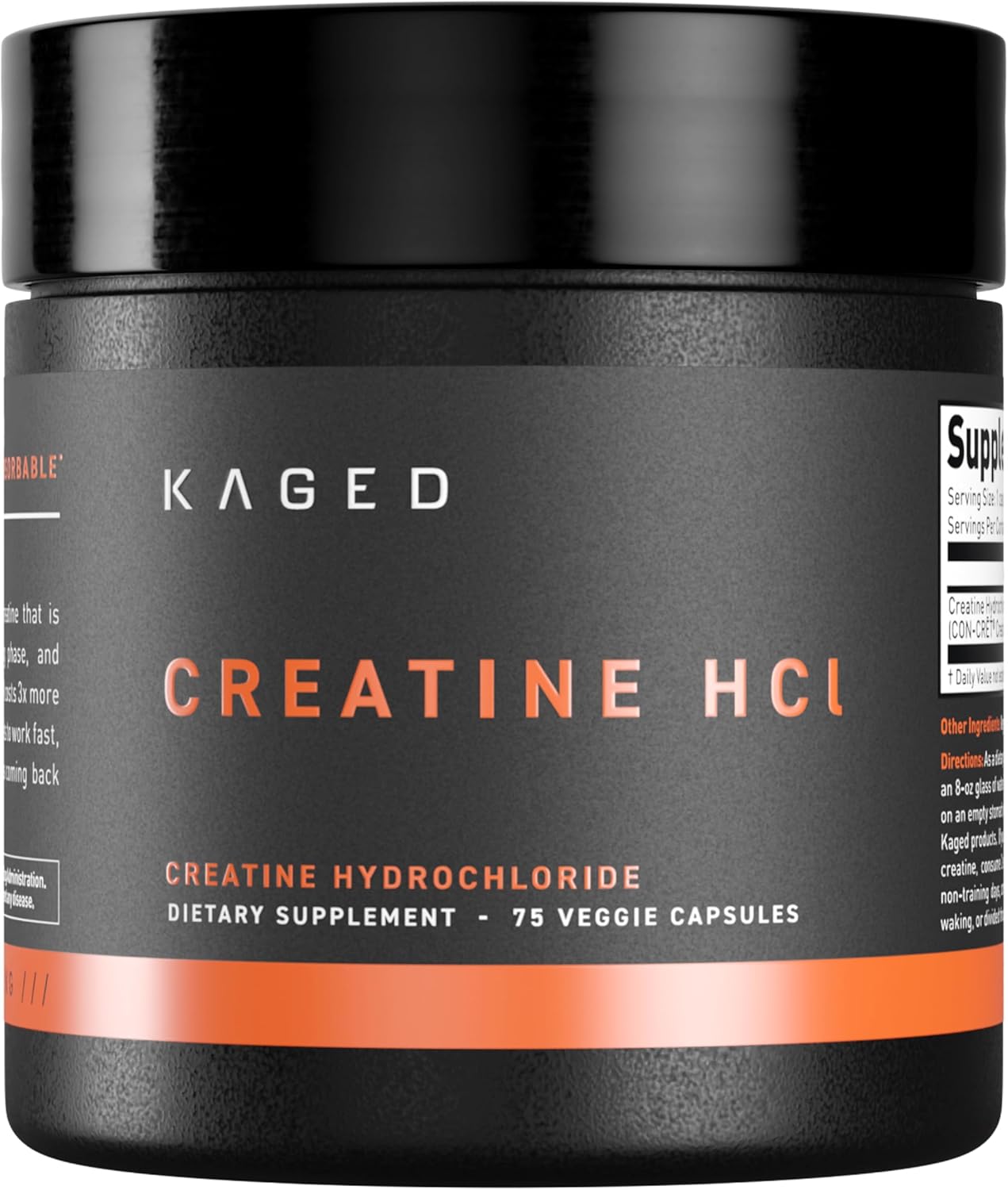
Creatine hydrochloride (HCl) is marketed as having superior solubility, potentially allowing lower effective doses with less water retention. While research supporting HCl's superiority is limited, some users subjectively report less bloating.
Jagim et al. (2012) in Journal of the International Society of Sports Nutrition found that creatine HCl was more soluble than monohydrate. However, creatine monohydrate remains the most studied and recommended form (Kreider et al., 2017, JISSN).
Solution 8: Manage Expectations and Timeline
Most bloating from creatine is transient. The initial water retention spike (especially with loading) typically stabilizes within 2–4 weeks as the body adjusts and excess extracellular water is excreted. After stabilization, the remaining water retention is primarily intracellular — giving muscles a fuller appearance without subcutaneous puffiness.
What Won't Work
"Creatine cycling"
There is no scientific basis for cycling creatine (taking it for a period then stopping). This approach guarantees repeated bloating episodes each time you re-load, defeating the purpose.
Diuretics or "water pills"
Using diuretics to counteract creatine water retention is dangerous and counterproductive. Diuretics remove extracellular and intracellular water, potentially causing dehydration, electrolyte imbalances, and eliminating creatine's benefits entirely.
Dramatically reducing water intake
Restricting water to prevent retention backfires. Dehydration triggers hormonal responses (increased ADH, aldosterone) that cause the body to retain more water.
Practical Protocol for Minimal Bloating
1. Week 1–4: Take 3–5 g creatine monohydrate daily (no loading)
2. Timing: With your largest meal containing carbs and protein
3. Hydration: Minimum 3–4 liters water daily
4. Sodium: Keep dietary sodium moderate (<2,500 mg/day)
5. Patience: Allow 3–4 weeks for water distribution to normalize
6. Ongoing: Maintain 3–5 g/day indefinitely
When Bloating May Indicate a Problem
While creatine bloating is generally benign, consult a healthcare provider if you experience:
- Persistent bloating beyond 4–6 weeks
- Significant facial or extremity edema (puffiness beyond mild abdominal fullness)
- Rapid weight gain exceeding 3–4 kg
- Blood pressure increases
- Signs of kidney stress (changes in urination patterns, back pain)
These symptoms are rare at recommended doses but warrant medical evaluation.
Conclusion
Creatine bloating is largely a manageable issue caused by loading protocols, poor timing, and dietary factors — not by creatine itself being inherently problematic. By skipping the loading phase, taking creatine with meals, staying hydrated, moderating sodium intake, and allowing 3–4 weeks for stabilization, most users can enjoy creatine's substantial benefits with minimal or no bloating. The science is clear: the intracellular water retention creatine promotes is beneficial for muscle function and growth. The extracellular puffiness is preventable.