CreatineFinders
CreatineFinders

Is Creatine Safe? What 500+ Studies Actually Prove (2026)

Short answer: yes, for healthy adults. Creatine monohydrate is the most studied sports supplement in history with 30+ years of safety data. Here's what's real, what's myth, and who should actually be cautious.

By the CreatineFinders Research Team · Last updated March 2026 · 4 sources cited

Key Takeaways

  • Can teenagers take creatine?While creatine is likely safe for teenagers, research in this age group is limited. The American Academy of Pediatrics d
  • Does creatine affect blood test results?Yes, creatine can elevate creatinine levels on blood tests, which is a marker for kidney function. This doesn't indicate
  • Can I take creatine with other supplements?Creatine is safe to combine with virtually all other supplements including protein, pre-workouts, BCAAs, and multivitami

Creatine Safety: The Big Picture

Creatine monohydrate is one of the most extensively studied supplements in history. The International Society of Sports Nutrition has called it "the most effective ergogenic nutritional supplement currently available" and confirms its safety for short and long-term use.

What the Research Shows

Long-Term Safety Data

  • Studies lasting up to **5 years** show no adverse health effects
  • Doses of 3-5g/day are consistently well-tolerated
  • No evidence of kidney, liver, or cardiovascular damage in healthy individuals
  • Used safely by millions of athletes for over 30 years

Real Side Effects

These side effects are documented in research and generally mild:

Water Retention (Common)

Creatine draws water into muscle cells, which can increase body weight by 2-4 pounds. This is intramuscular water, not subcutaneous bloating, and is actually a sign the creatine is working. It's temporary and stabilizes after the loading phase.

Digestive Discomfort (Occasional)

High doses (>10g at once) can cause stomach cramping, nausea, or diarrhea. This is easily avoided by:

  • Sticking to 5g or less per dose
  • Taking creatine with food
  • Using micronized formulas that dissolve better

Muscle Cramping (Rare and Disputed)

Some anecdotal reports link creatine to muscle cramps, but controlled studies have actually found the opposite — creatine users experienced fewer cramps and heat-related issues than non-users.

Mythical Side Effects

These commonly cited concerns are NOT supported by evidence:

Kidney Damage

Multiple studies have measured kidney function markers (creatinine, GFR) in creatine users and found no impairment in healthy individuals. Creatine does increase creatinine levels (a natural byproduct), which can appear as abnormal on a blood test — but this doesn't indicate kidney damage. Inform your doctor if you're taking creatine before blood work.

Liver Damage

No evidence whatsoever. Studies measuring liver enzymes in creatine users show no negative effects.

Dehydration

Creatine draws water into muscles but doesn't dehydrate you. Research shows creatine users maintain normal hydration status. Just drink adequate water as you normally should.

Hair Loss

Based on a single unreplicated study. See our detailed guide on this topic.

Who Should Be Cautious

While creatine is safe for most people, certain groups should consult a doctor first:

  • People with pre-existing kidney disease
  • Those taking medications that affect kidney function
  • Individuals under 18 (limited research, likely safe but consult a pediatrician)

Recommended Safe Practices

1. Stick to 3-5g per day (no benefit to mega-dosing)

2. Drink adequate water (8+ glasses daily)

3. Use creatine monohydrate (most researched form)

4. Buy from reputable brands with third-party testing

5. Inform your healthcare provider that you take creatine
References

  1. [1] Kreider RB, et al. "International Society of Sports Nutrition position stand: safety and efficacy of creatine supplementation." Journal of the International Society of Sports Nutrition, 2017;14:18.
  2. [2] Poortmans JR, Francaux M. "Long-term oral creatine supplementation does not impair renal function in healthy athletes." Medicine & Science in Sports & Exercise, 1999;31(8):1108-1110.
  3. [3] Kim HJ, et al. "Studies on the safety of creatine supplementation." Amino Acids, 2011;40(5):1409-1418.
  4. [4] Lugaresi R, et al. "Does long-term creatine supplementation impair kidney function in resistance-trained individuals?" European Journal of Applied Physiology, 2013;113(6):1615-1624.

Recommended Products

Based on the evidence discussed in this guide.

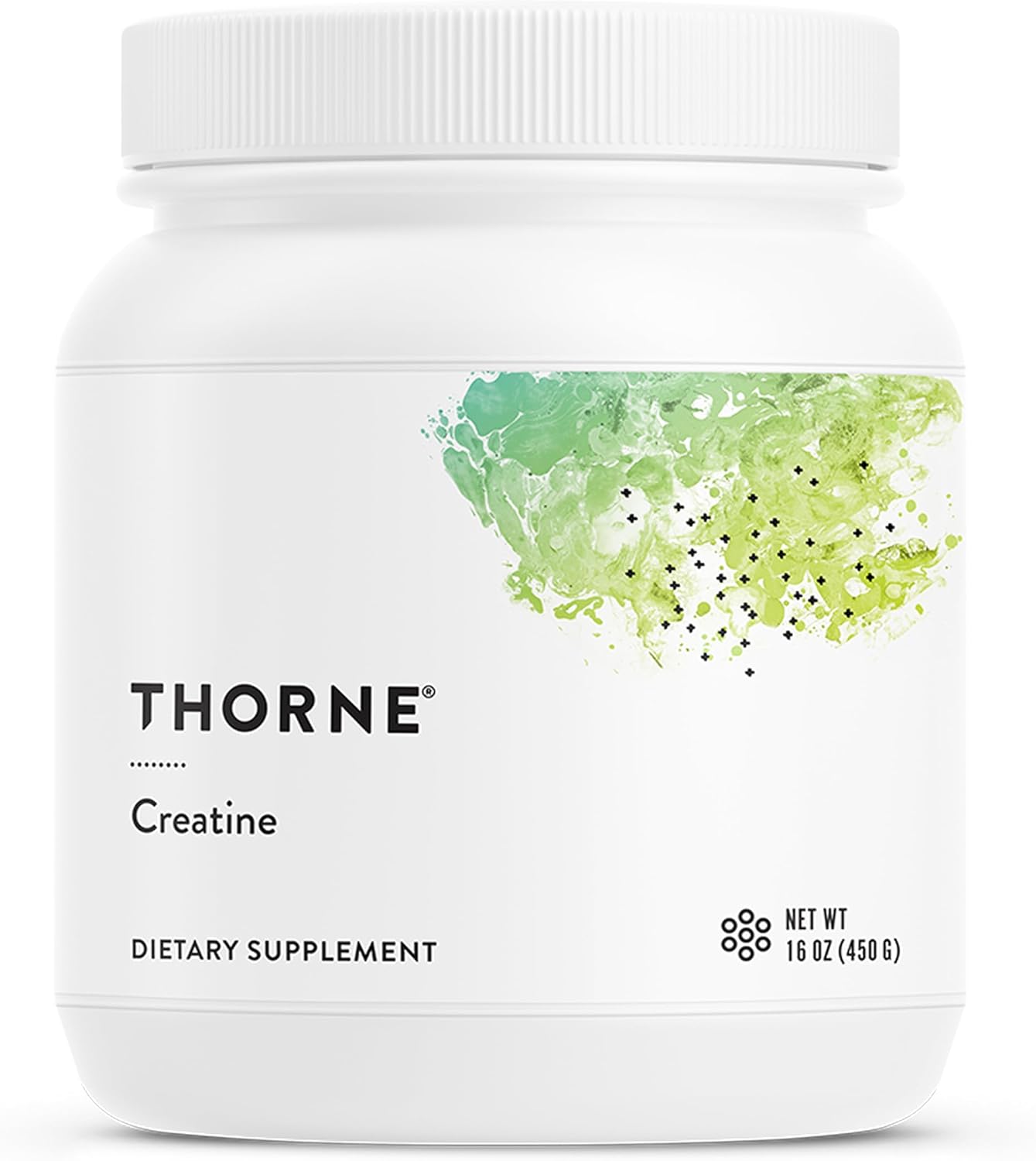
Thorne Creatine powder container
T
Best Tested/Certified
4.9
NSF Certified for Sport
Price
$35.99
Per Serving
$0.40
Servings
90
Type
monohydrate
Klean Athlete Creatine powder container
KA
Best for Competitive Athletes
4.6
NSF Certified for Sport
Price
$34.99
Per Serving
$0.58
Servings
60
Type
monohydrate
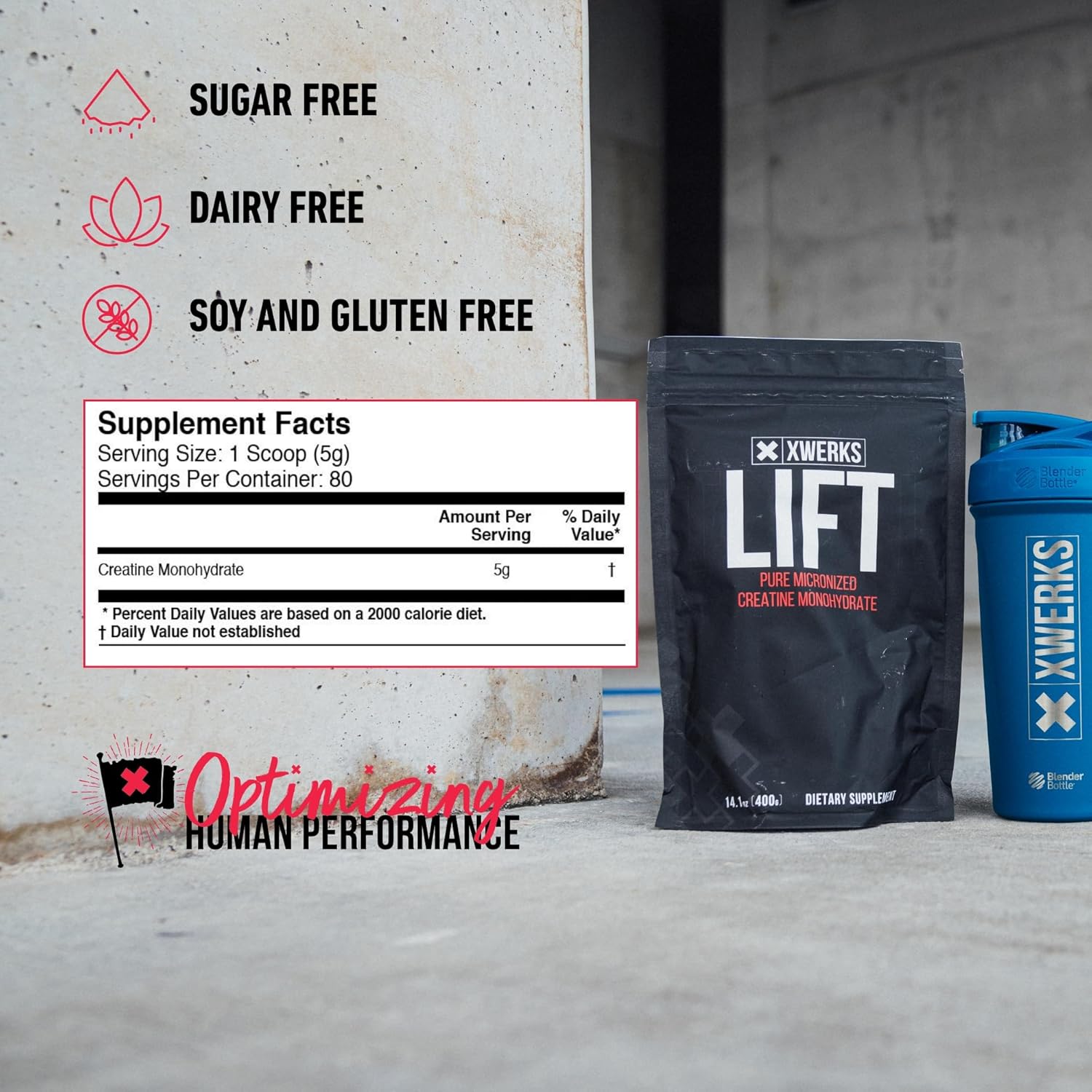
XWERKS Lift powder container
X
Best for Athletes
4.7
NSF Certified for Sport
Price
$39.00
Per Serving
$0.49
Servings
80
Type
monohydrate

Frequently Asked Questions

While creatine is likely safe for teenagers, research in this age group is limited. The American Academy of Pediatrics doesn't recommend supplements for teens. Consult a pediatrician before starting.

Yes, creatine can elevate creatinine levels on blood tests, which is a marker for kidney function. This doesn't indicate kidney damage but can cause concern. Tell your doctor you take creatine before any blood work.

Creatine is safe to combine with virtually all other supplements including protein, pre-workouts, BCAAs, and multivitamins. There are no known dangerous interactions.

More Research Guides

Related Reading

Related Content

We earn commissions from qualifying purchases through our affiliate links at no extra cost to you. Our reviews are based on published clinical research and third-party testing data.