Why Women Should Consider Creatine
Creatine has been marketed primarily to men for decades, but the science is clear: women benefit from creatine supplementation just as much as men. In fact, some benefits may be even more relevant for women.
Benefits Specific to Women
Strength and Performance
Women respond to creatine similarly to men, showing improvements in strength, power output, and high-intensity exercise capacity. A 2014 meta-analysis found that women using creatine during resistance training gained significantly more strength compared to training alone.
Body Composition
Creatine helps women build lean muscle mass, which increases metabolic rate and improves overall body composition. Contrary to the myth that creatine will make women "bulky," the lean mass gains are moderate and contribute to a toned, athletic appearance.
Bone Health
Emerging research suggests creatine may support bone mineral density, particularly relevant for women at risk of osteoporosis. A 2015 study found that creatine combined with resistance training improved bone mineral density in postmenopausal women.
Mood and Cognitive Function
Women are twice as likely as men to experience depression. Preliminary research indicates creatine may have antidepressant effects by supporting brain energy metabolism. Studies have shown improvements in mood and cognitive function in female participants.
Hormonal Cycle Considerations
Some research suggests creatine may help mitigate performance fluctuations across the menstrual cycle. Creatine could help maintain strength and performance during luteal phase when some women experience decreased performance.
Dosing for Women
The standard recommendation is the same as for men: 3-5 grams per day of creatine monohydrate. Women with lower body weight may find 3g sufficient, while larger or more active women can take the full 5g.
Loading Phase
Women can follow the same loading protocol (20g/day for 5-7 days) but may be more prone to GI discomfort at higher doses. A gentler approach of 10g/day for 10-14 days can achieve similar saturation with fewer side effects.
Addressing Common Concerns
"Will creatine make me look bloated?"
The initial water weight (1-3 lbs for most women) is intramuscular — it's inside the muscle cells, not under the skin. Most women report looking more "full" and defined rather than bloated.
"Will I gain weight?"
You may see a small scale increase from water retention, but this isn't fat gain. Many women report their clothes fitting better despite a slight scale increase due to improved body composition.
"Is creatine safe during pregnancy?"
There is insufficient research on creatine during pregnancy or breastfeeding. Discontinue use during these periods unless specifically advised by your healthcare provider.
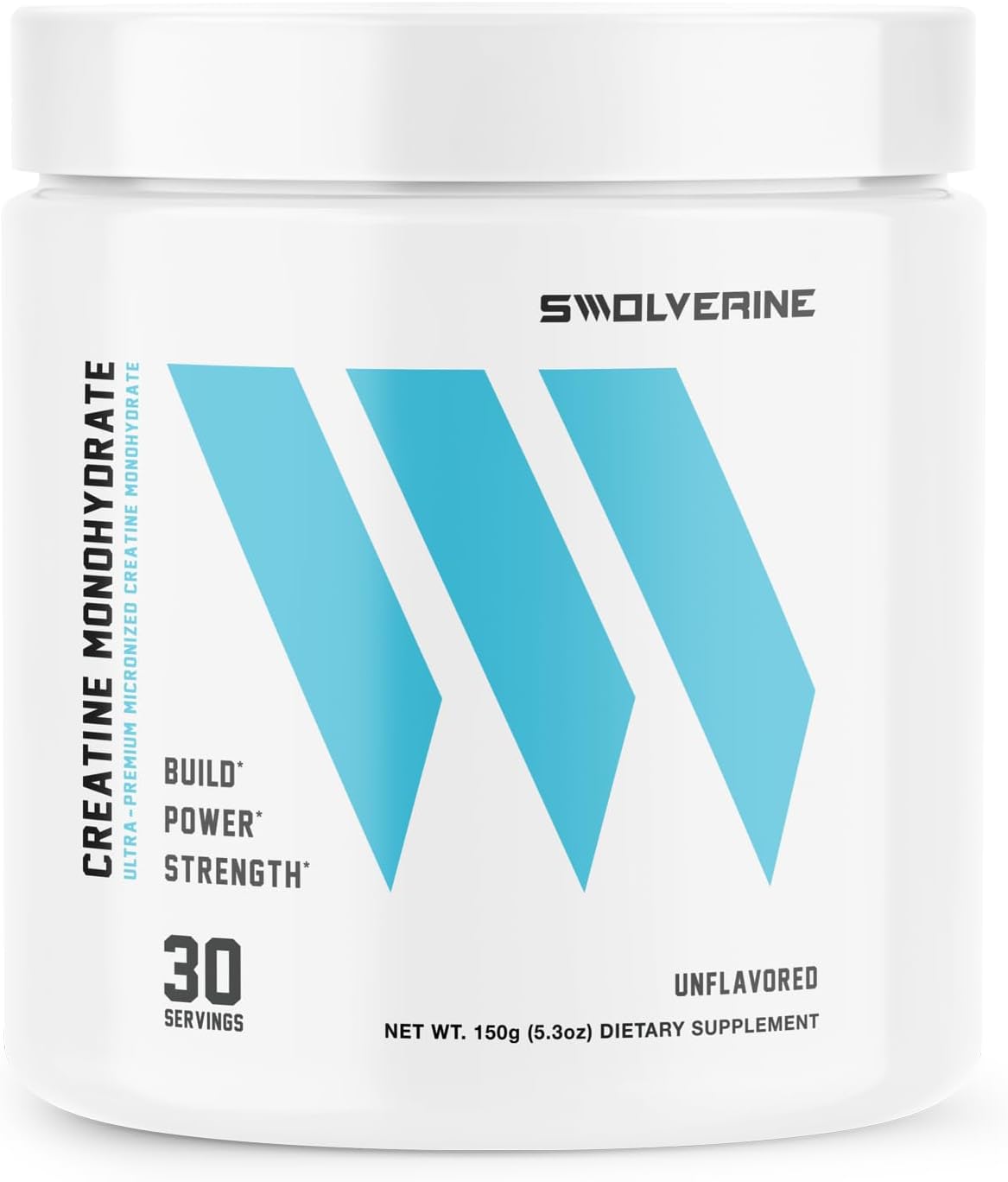
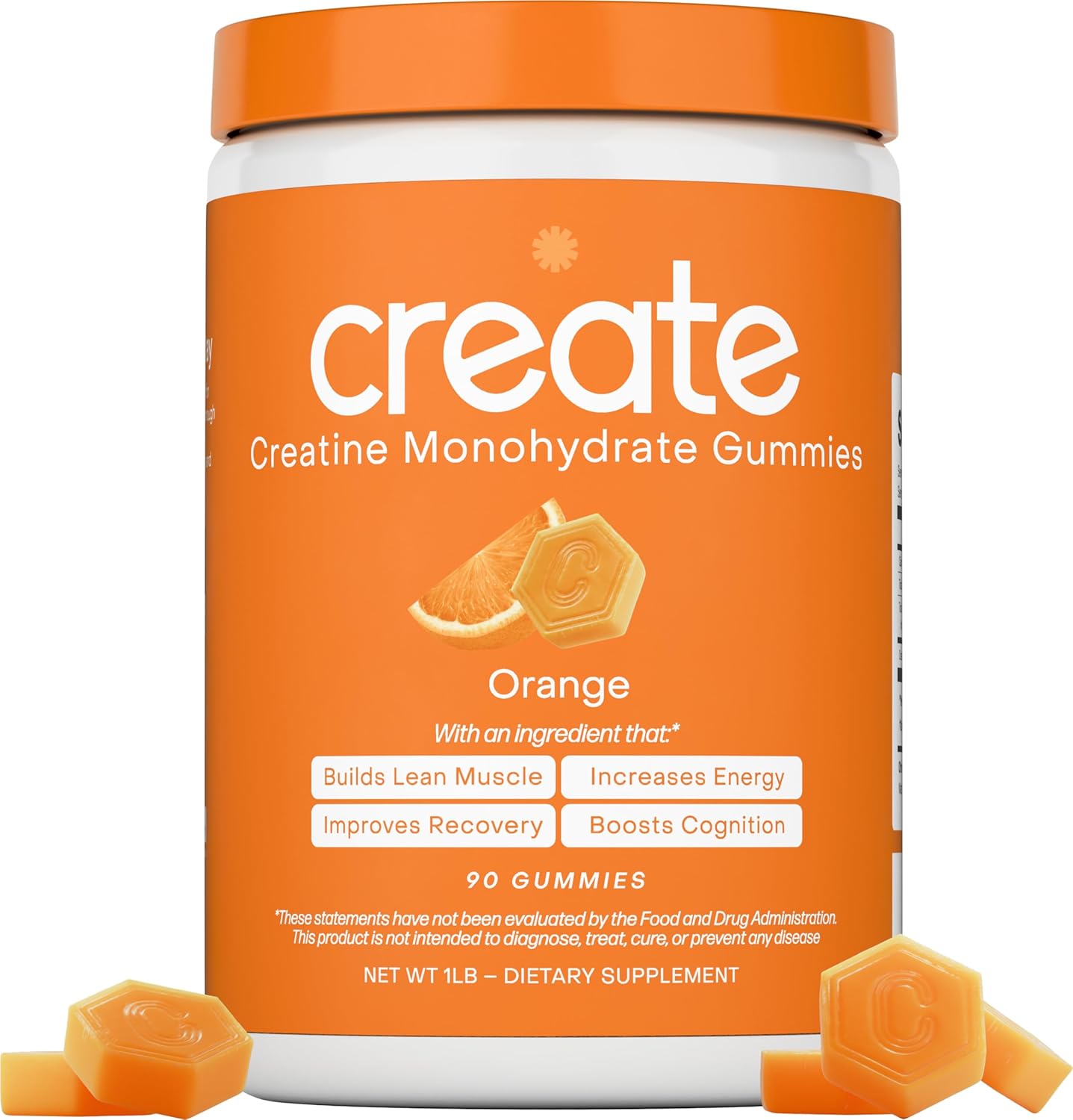
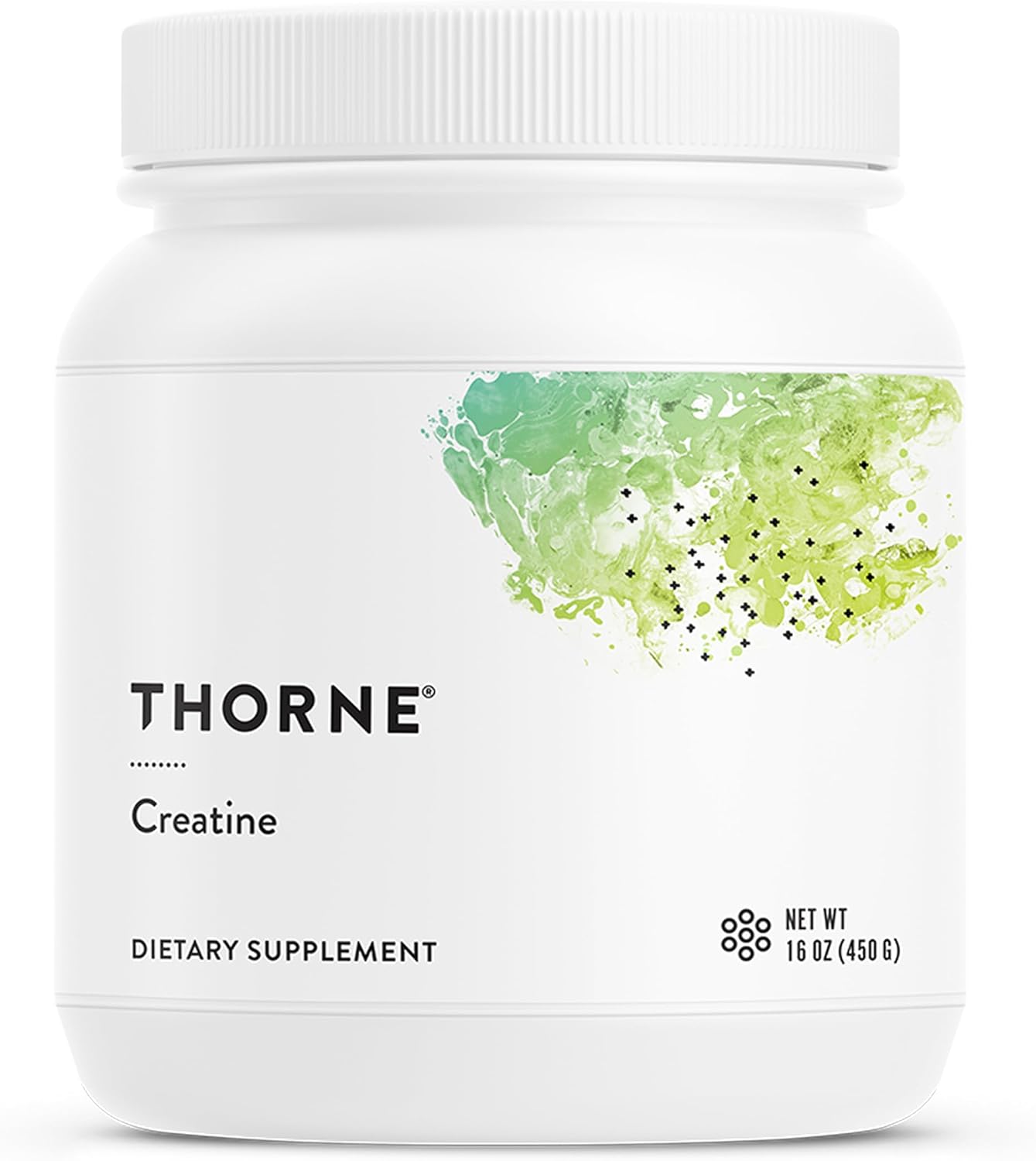
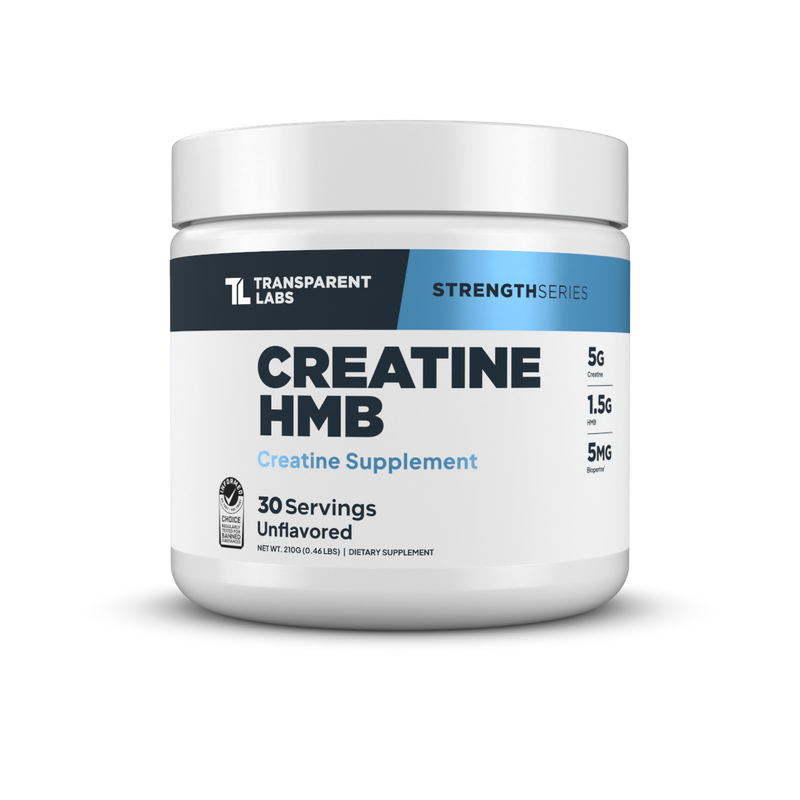
Best Creatine Products for Women
While any quality creatine monohydrate works equally well regardless of gender, some brands have specifically addressed women's concerns with their marketing and formulations. Look for third-party tested products with clean ingredient profiles.