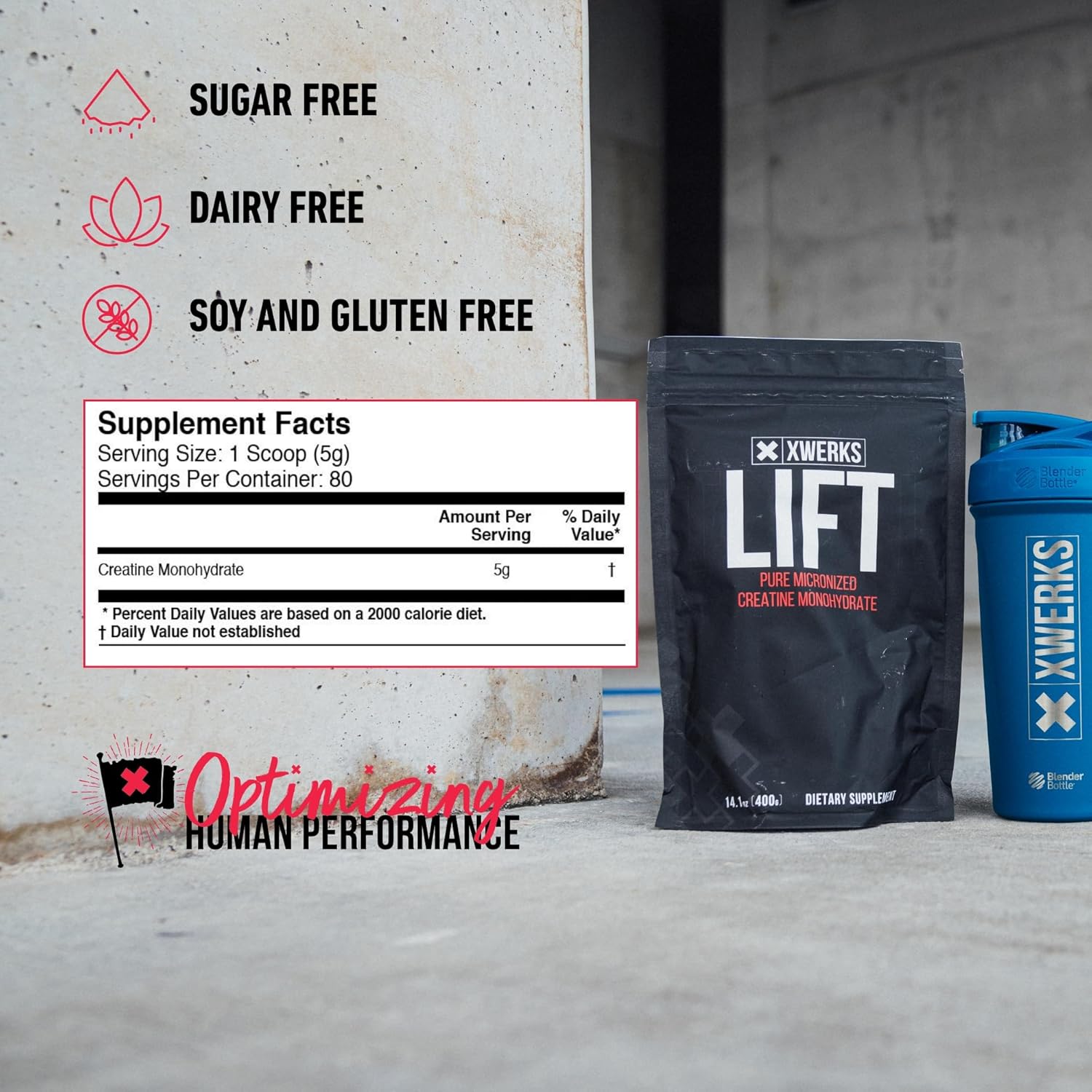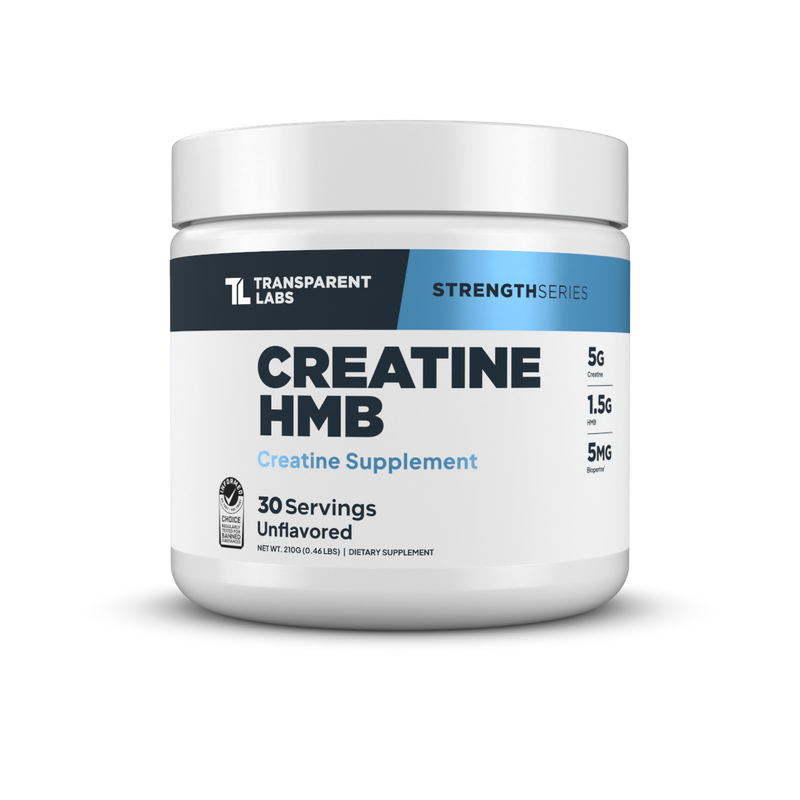
The Combat Sports Challenge
Mixed martial arts (MMA) and boxing present unique demands that make creatine supplementation both highly beneficial and somewhat complicated. On one hand, these sports require explosive power, anaerobic capacity, and the ability to recover between rounds — all areas where creatine excels. On the other hand, both sports involve weight classes, and the 2-5 pounds of water retention from creatine introduces weight management complexity.
Understanding how to navigate these competing factors allows combat athletes to leverage creatine's benefits while managing weight class requirements.
Performance Benefits for Combat Athletes
Striking Power
Every punch, kick, knee, and elbow is a brief maximal-effort muscle contraction powered primarily by the phosphocreatine system. Creatine supplementation increases the capacity for maximal force production. Rawson and Volek's 2003 meta-analysis showed that creatine improved maximal strength by an average of 8%, which translates directly to more powerful strikes.
A 2010 study by Tyka et al. in the Biology of Sport examined combat sport athletes and found that creatine supplementation significantly improved upper body power output — critical for punching power in boxing and clinch work in MMA.
Grappling and Wrestling Endurance
Grappling exchanges in MMA and clinch work in boxing involve sustained high-intensity isometric and dynamic contractions. These efforts rapidly deplete phosphocreatine stores. A study by Aedma et al. (2015) in the Journal of the International Society of Sports Nutrition found that creatine supplementation improved performance in repeated high-intensity grappling simulations.
Round-to-Round Recovery
Combat sports involve repeated rounds with brief rest periods (typically 60 seconds in boxing, 60 seconds in MMA). Creatine accelerates phosphocreatine resynthesis during these rest intervals, meaning fighters enter each subsequent round with more available energy. Greenhaff et al. (1993) demonstrated enhanced phosphocreatine recovery rates with creatine supplementation — directly applicable to between-round recovery.
Late-Round Performance
Fights are often won in the later rounds when fatigue accumulates. Fighters with better phosphocreatine stores maintain higher output as the fight progresses. This is analogous to the second-half performance decline in soccer — creatine helps maintain intensity when fatigue is greatest.
Training Volume and Quality
The majority of creatine's benefits for combat athletes come not from fight night but from training camp. Better recovery between training sessions, higher-quality sparring, more powerful pad work, and enhanced strength training all compound over weeks and months. Creatine's ability to improve training volume and intensity drives superior physiological adaptations over time.
The Weight Class Challenge
The elephant in the room for combat athletes is weight management. The 2-5 pounds of water retention from creatine can be the difference between making weight and missing it. Here's how to navigate this:
Off-Season / Training Camp (Far from Weigh-In)
Use creatine freely during the off-season and the early-to-mid training camp when weight management is less critical. This is when creatine's training benefits are most valuable — you're building the strength, power, and conditioning that will serve you in the fight.
4-6 Weeks Before Weigh-In
Discontinue creatine approximately 4-6 weeks before weigh-in. This allows creatine-related water weight to normalize without a crash cut. Vandenberghe et al. (1997) showed that muscle creatine and water levels return to baseline within this timeframe.
Post-Weigh-In
After making weight and before the fight (typically 24-30 hours later), some fighters reload creatine. A short loading protocol (20g spread across the post-weigh-in period) can rapidly begin re-saturating muscles. While full saturation won't occur in 24 hours, partial resaturation can provide some benefit.
Alternative Approach: Use Only During Off-Season
Some fighters restrict creatine use to the off-season exclusively, using it to build a stronger physical base during periods when weight management is not a concern. This simpler approach avoids the complexity of timing around weigh-ins.
Dosing for Combat Athletes
- Off-season/early camp: 5g creatine monohydrate daily
- Pre-weigh-in cutoff: Discontinue 4-6 weeks before weigh-in
- Post-weigh-in reload (optional): 20g spread across 24-30 hours in 5g doses
- No-loading approach: 5g daily during off-season, stop well before fights
Creatine and Weight Cutting
Creatine increases intramuscular water, which makes acute water cuts more difficult. If you're still supplementing with creatine while trying to water-cut weight, your body is holding extra water in the muscles that resists dehydration-based weight loss methods. This is another reason to discontinue creatine well before the weight cut begins.
Safety and Drug Testing
Creatine is not banned by any combat sports organization including the UFC, WBC, WBA, IBF, or any state athletic commission. It is not on the WADA prohibited list. However, combat athletes should always use third-party tested supplements (NSF Certified for Sport or Informed Sport) to protect against contamination with banned substances that could trigger a failed drug test.
Combining Creatine with Combat Sport Training
Creatine integrates well with the typical combat sport training regimen:
- Strength training days: Take creatine post-workout with protein
- Sparring days: Take creatine with any meal — timing doesn't affect sparring performance acutely
- Conditioning days: Same — take it consistently
- Rest days: Continue supplementation to maintain saturation