The Teen Creatine Debate
Creatine supplementation in teenagers is one of the most frequently asked and debated questions in sports nutrition. Parents, coaches, and young athletes want to know: is it safe, is it effective, and should teens be using it? The answer is nuanced, involving both scientific evidence and practical considerations.
What the Major Organizations Say
American Academy of Pediatrics (AAP)
The AAP's position is that performance-enhancing supplements, including creatine, are not recommended for adolescents under 18. However, this stance is based on a general precautionary principle rather than specific evidence of harm from creatine.
International Society of Sports Nutrition (ISSN)
The ISSN's 2017 position stand (Kreider et al.) does not specifically recommend against teen creatine use. It acknowledges that creatine is one of the safest supplements available and that younger athletes could benefit, while noting that research in this specific population is limited.
National Strength and Conditioning Association (NSCA)
The NSCA has stated that creatine use in adolescents may be acceptable when supervised by qualified professionals and when the athlete has established a baseline of proper nutrition and training.
Safety Evidence in Adolescents
While the majority of creatine research has been conducted in adults aged 18-35, several studies have specifically examined adolescents:
A 2001 study by Mohebbi et al. examined creatine supplementation in adolescent swimmers (15-17 years) and found no adverse effects on health markers over 8 weeks while showing performance improvements. Unnithan et al. (2001) studied creatine in adolescents (13-15 years) performing high-intensity exercise and reported improved performance with no safety concerns.
A comprehensive 2018 review by Jagim and Kerksick published in Nutrients examined the available evidence on creatine use in young athletes and concluded that "limited evidence suggests that creatine supplementation in young athletes is well-tolerated with no reported adverse events."
Most importantly, creatine is a naturally occurring compound that teenagers already consume in their diet (from meat and fish) and produce in their own bodies. Supplementation simply increases intake above dietary levels — the same thing that occurs in adults.
Effectiveness in Young Athletes
The limited studies conducted in adolescents suggest creatine works similarly to how it works in adults:
- Improved sprint performance and high-intensity exercise capacity
- Enhanced strength gains when combined with resistance training
- Potential cognitive benefits (particularly relevant for student-athletes)
Yanez-Silva et al. (2017) published in Nutrients that creatine supplementation improved repeated sprint performance in adolescent soccer players with no adverse effects.
Practical Concerns
The Real Risk: Gateway Behavior
Some sports medicine professionals worry less about creatine's direct effects and more about the behavioral pattern — that teens who start with creatine may develop a supplement-dependent mindset and eventually progress to riskier substances. This is a legitimate concern that should be addressed through education, not prohibition.
Proper Foundation First
Before considering creatine, teens should have established:
1. Consistent resistance training program — supervised by a qualified coach
2. Adequate nutrition — sufficient calories, protein, fruits, vegetables, and whole foods
3. Proper hydration habits — drinking enough water daily
4. Adequate sleep — 8-10 hours per night for adolescents
5. Understanding of why — the teen should understand what creatine does and doesn't do
If these foundations aren't in place, creatine supplementation is putting the cart before the horse. A 16-year-old who doesn't eat breakfast and sleeps 5 hours a night won't benefit meaningfully from creatine.
Parental Involvement
Any decision about creatine use in teens should involve parents and ideally a healthcare provider or sports dietitian. The American College of Sports Medicine recommends that adolescent athletes consult with a physician or registered dietitian before using any supplements.
If a Teen Decides to Take Creatine
For teens who, with parental consent and medical guidance, decide to use creatine:
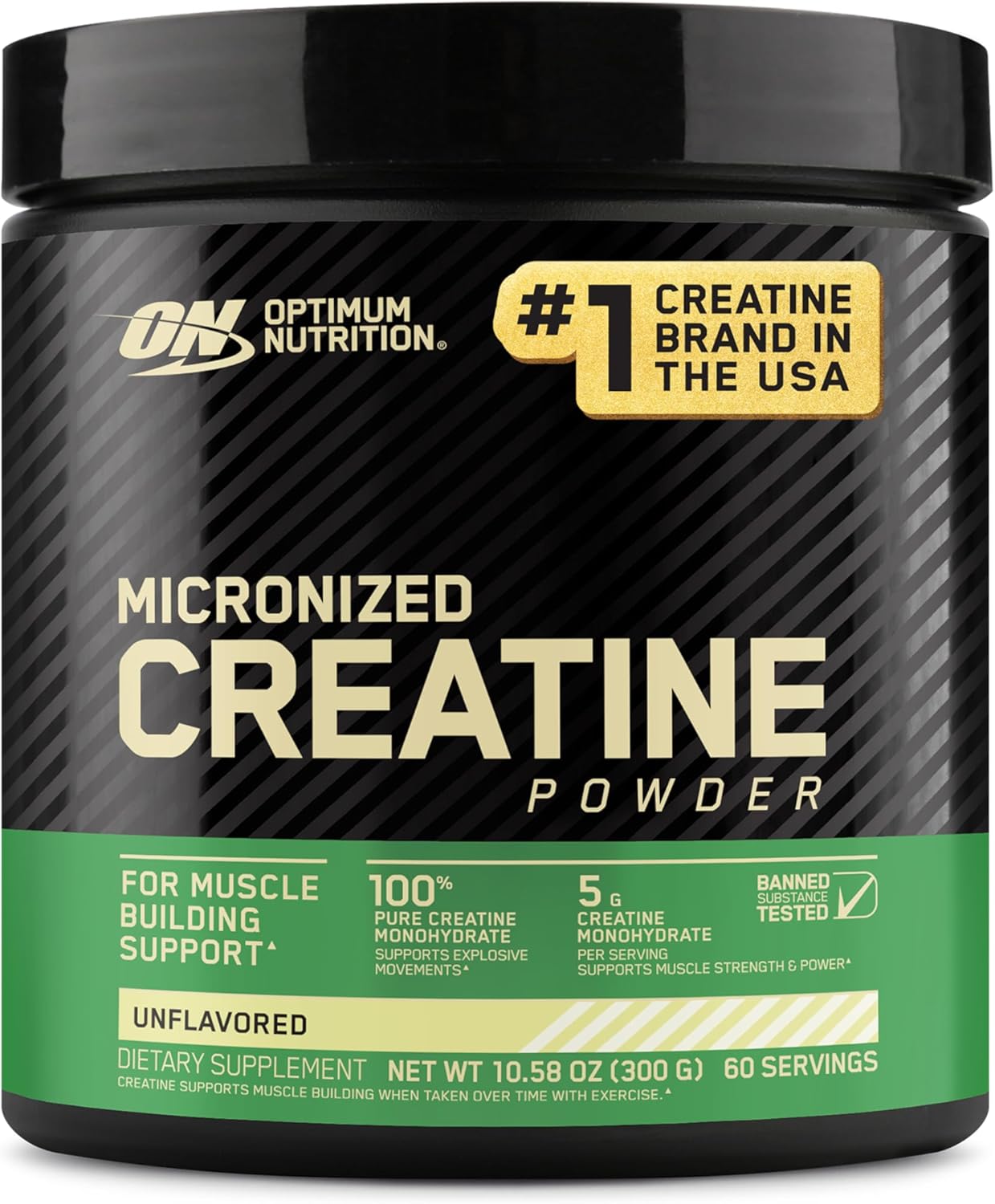
- Use only creatine monohydrate — the most researched and safest form
- Dose at 3-5g per day — no loading phase needed
- Skip complex supplement stacks — creatine alone, not combined products with stimulants or proprietary blends
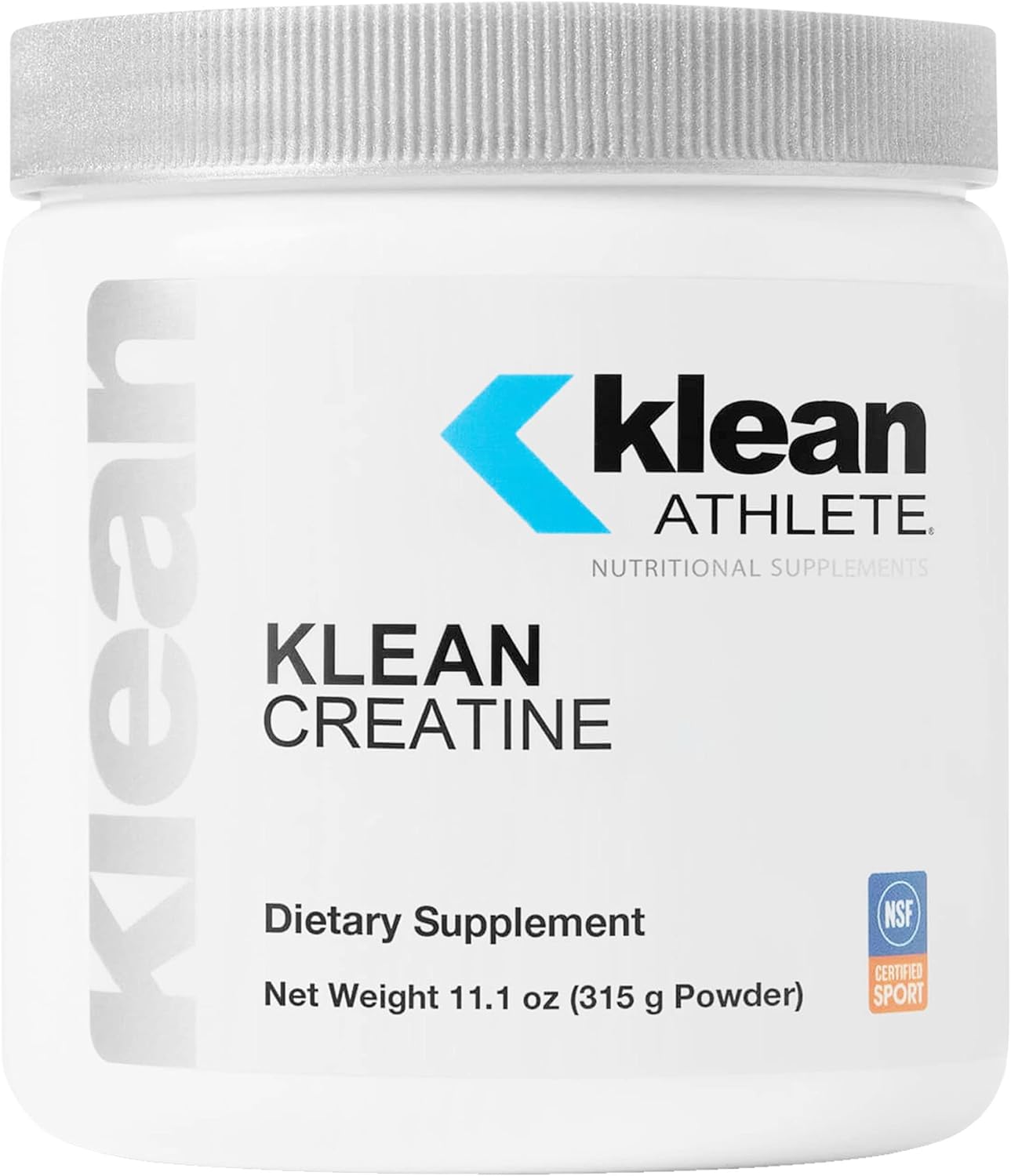
- Choose third-party tested products — NSF Certified for Sport or Informed Sport certified to ensure purity and absence of banned substances
- Monitor hydration — teens are often already poorly hydrated; creatine adds to the importance of water intake
- Regular check-ups — include creatine use in discussions with healthcare providers
Our Position
Based on the available evidence, creatine monohydrate is likely safe for healthy teenagers when used at standard doses (3-5g/day). However, we echo the general recommendation that teens should first establish solid nutrition, training, and sleep habits before considering supplementation. Creatine is not a shortcut — it's a minor optimization that works best when the fundamentals are already in place.
Parents should be involved in the decision, a healthcare provider should be consulted, and the focus should always remain on developing healthy, sustainable habits rather than supplement dependency.