Why Plant-Based Athletes Have a Creatine Gap
Creatine is found almost exclusively in animal muscle tissue — primarily red meat, poultry, and fish. Plant foods contain negligible to zero creatine. This means vegetarians and vegans rely entirely on endogenous synthesis (the body's own creatine production from amino acids arginine, glycine, and methionine) for their creatine needs.
Research consistently shows that vegetarians have lower baseline creatine stores compared to omnivores. A 2003 study by Watt et al. in the British Journal of Sports Medicine measured muscle creatine levels and found that vegetarians had approximately 20-30% lower concentrations than meat-eating counterparts. Burke et al. (2003) in the British Journal of Nutrition confirmed these findings, showing significantly lower muscle creatine and phosphocreatine in vegetarians.
This creatine gap means that vegetarians and vegans stand to benefit the most from creatine supplementation, as they have the greatest room for improvement in their creatine stores.
Greater Response to Supplementation
One of the most consistent findings in creatine research is that individuals with lower baseline creatine levels experience the greatest benefits from supplementation. Since vegetarians start from a lower baseline, their response to creatine is often more dramatic.
Benton and Donohoe (2011) published a study in the British Journal of Nutrition demonstrating that creatine supplementation improved memory performance in vegetarians to a significantly greater extent than in meat-eaters. The vegetarian group showed particularly notable improvements in tasks requiring processing speed and working memory.
Burke et al. (2003) found that vegetarians who supplemented with creatine showed a greater increase in total body creatine stores, lean tissue mass, and exercise performance compared to omnivore supplementers. The authors noted that the "ceiling" of response was similar, but vegetarians started lower and therefore had more to gain.
Cognitive Benefits for Plant-Based Eaters
The cognitive benefits of creatine may be especially relevant for vegetarians and vegans. The brain relies heavily on the phosphocreatine system for energy, and lower dietary creatine intake may subtly compromise cognitive performance.
Rae et al. (2003) published in the Proceedings of the Royal Society of London that creatine supplementation significantly improved working memory and processing speed. While this study included omnivores, the mechanism suggests even greater potential benefits for those with lower brain creatine stores.
A 2007 study by Ling et al. in Psychiatry Research found that long-term vegetarians had lower brain creatine levels measured via magnetic resonance spectroscopy, suggesting that supplementation could meaningfully increase cerebral creatine availability in this population.
Physical Performance Benefits
For vegetarian and vegan athletes specifically, creatine supplementation addresses a genuine nutritional gap. Kaviani et al. (2019) studied the effects of creatine supplementation on strength and body composition in vegetarian women and found significant improvements in bench press strength and lean mass compared to placebo.
The performance benefits include:
- Greater absolute increase in muscle creatine stores (starting from a lower baseline)
- More pronounced improvements in strength and power
- Enhanced recovery between high-intensity bouts
- Greater lean mass gains during resistance training
All Creatine Supplements Are Vegan
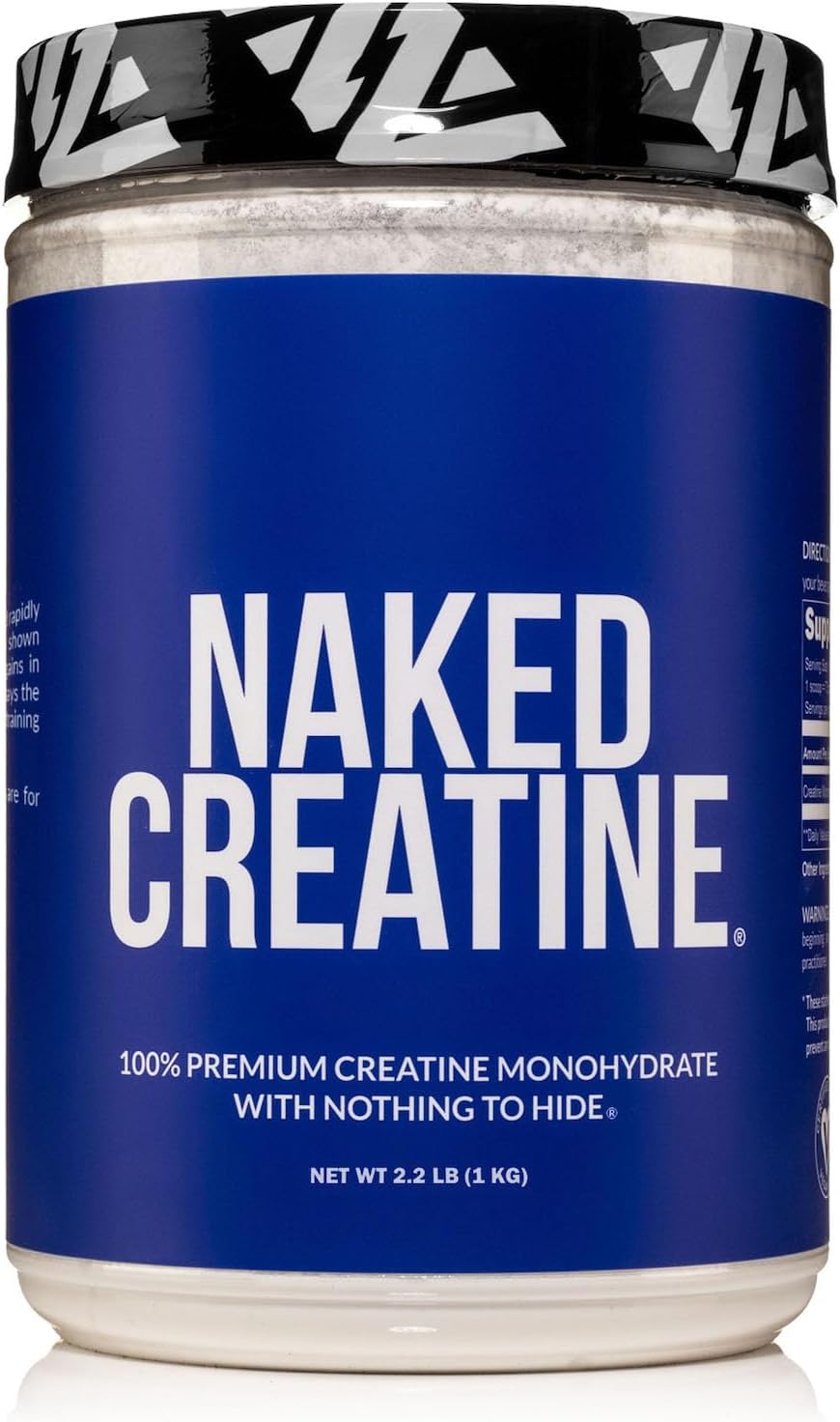
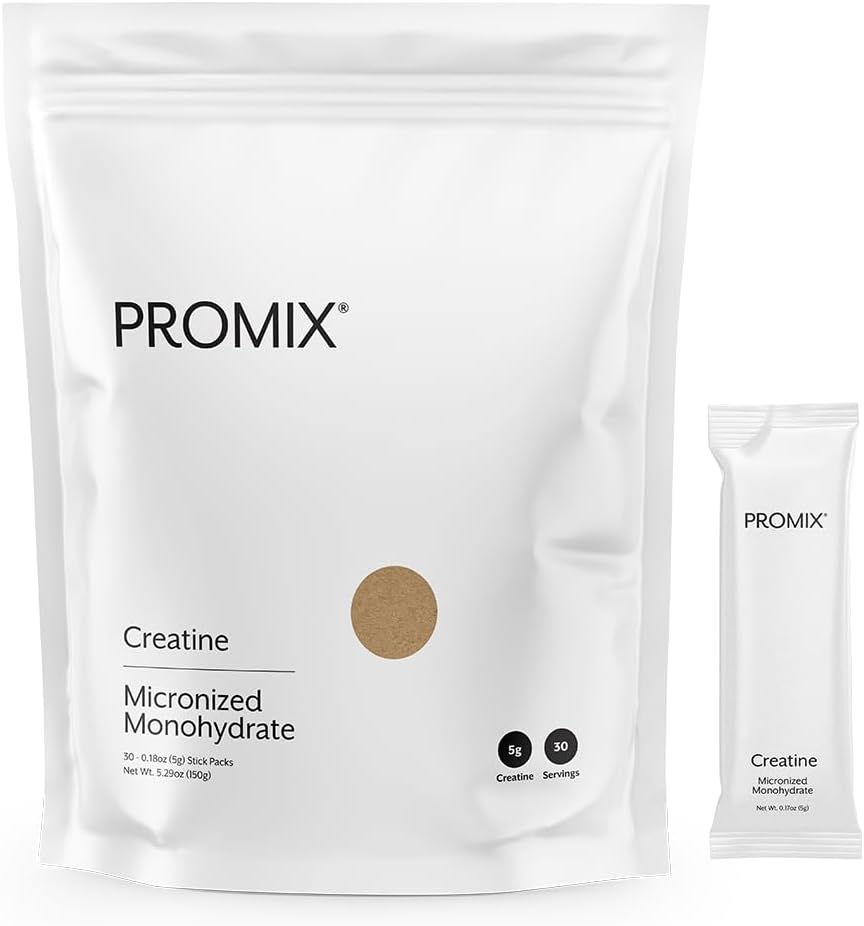
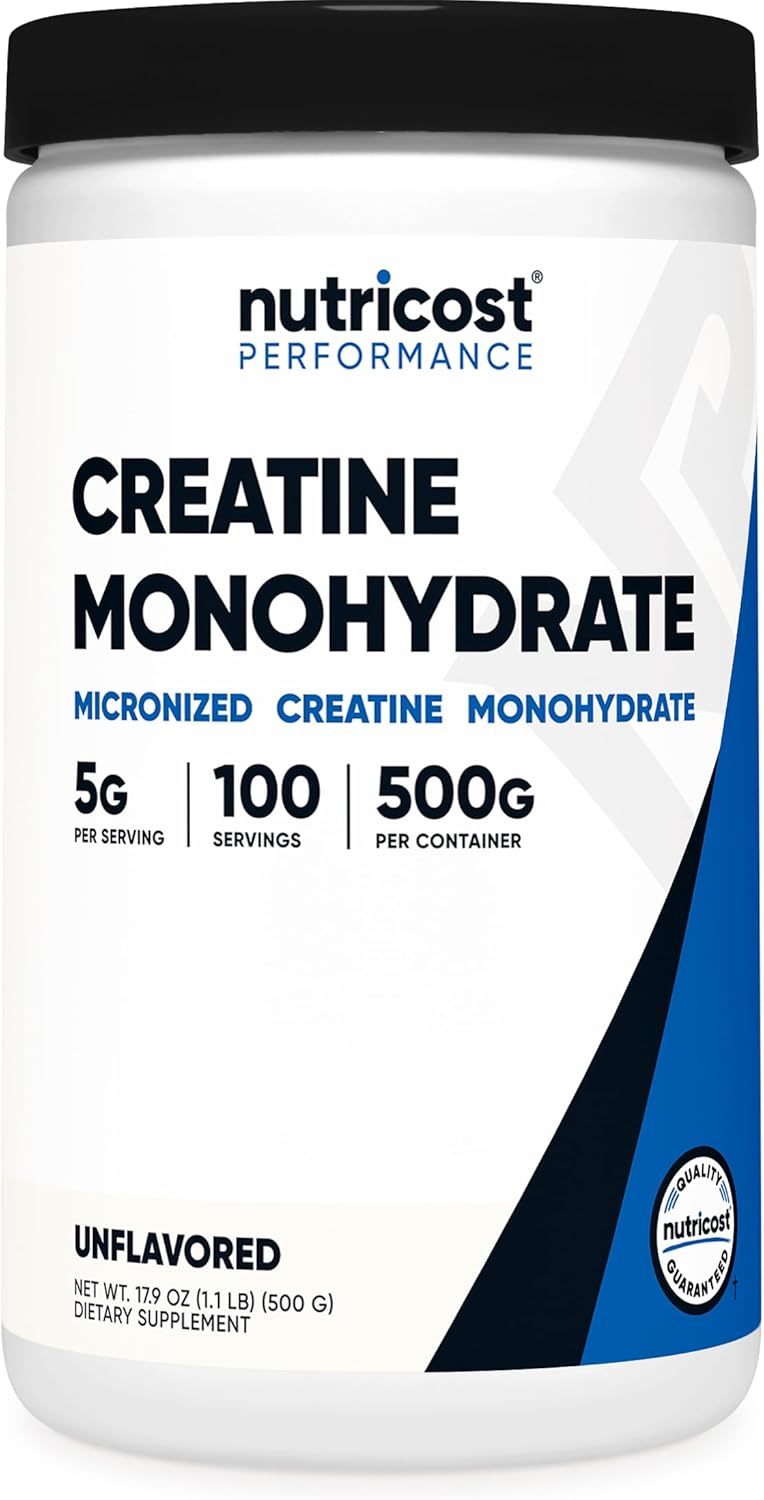
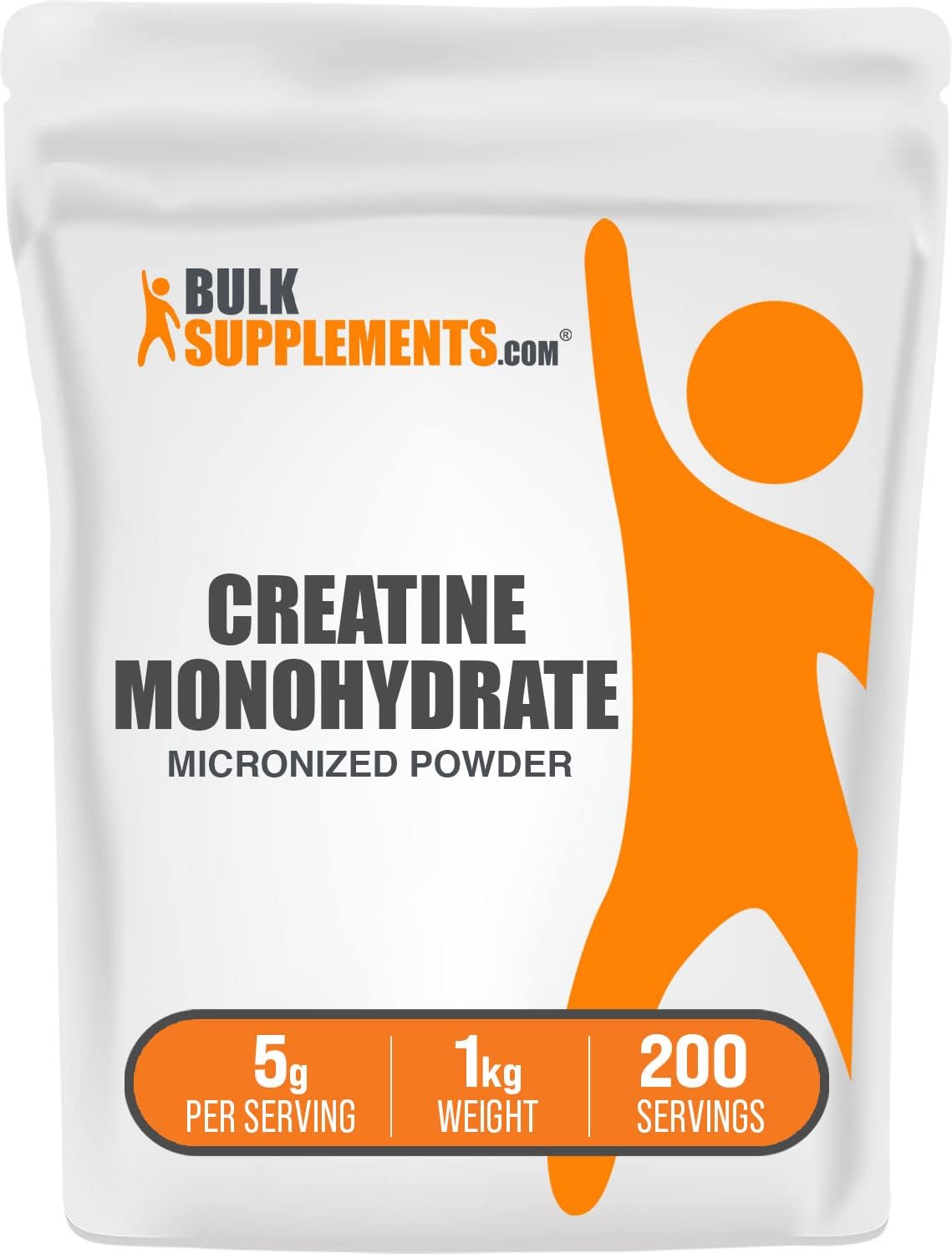
A common question from plant-based athletes is whether creatine supplements are vegan-friendly. The answer is yes — commercial creatine monohydrate is synthetically produced through a chemical process involving sarcosine and cyanamide. It is not derived from animal sources. This applies to virtually all forms of creatine supplements (monohydrate, HCl, etc.).
However, some creatine products may contain non-vegan additives in capsules (gelatin), gummies (gelatin), or flavored formulas. Check labels carefully:
- Pure creatine monohydrate powder: Always vegan
- Capsules: May contain gelatin — look for vegetable cellulose capsules
- Gummies: Often contain gelatin — check for pectin-based alternatives
- Flavored formulas: Generally vegan but check for non-vegan additives
Dosing for Vegetarians and Vegans
Standard dosing applies: 3-5g of creatine monohydrate per day. Some researchers have suggested that vegetarians may benefit from the higher end of this range (5g) or even a loading phase (20g/day for 5-7 days) given their lower starting stores. Shomrat et al. (2000) found that vegetarians achieved greater creatine store increases with loading compared to non-vegetarians.
Complementary Nutrition Strategies
In addition to creatine, vegetarians and vegans should ensure adequate intake of the amino acid precursors for endogenous creatine synthesis:
- Arginine: Abundant in nuts, seeds, legumes, soy, and chickpeas
- Glycine: Found in legumes, spinach, kale, and seaweed. Supplemental glycine or collagen is an option for vegetarians.
- Methionine: Found in Brazil nuts, oats, sunflower seeds, and hemp seeds
Additionally, ensuring adequate vitamin B12 (which is involved in methionine metabolism) supports optimal endogenous creatine production. B12 supplementation is already recommended for all vegans.
Our Recommendation
If you follow a vegetarian or vegan diet, creatine monohydrate is arguably the single most impactful supplement you can take for both physical and cognitive performance. The research clearly shows that plant-based eaters have lower creatine stores, respond more dramatically to supplementation, and experience greater cognitive and performance improvements. At $10-15 per month, it's also one of the most affordable. If you take one supplement as a vegetarian or vegan athlete, make it creatine.