The Creatine Landscape
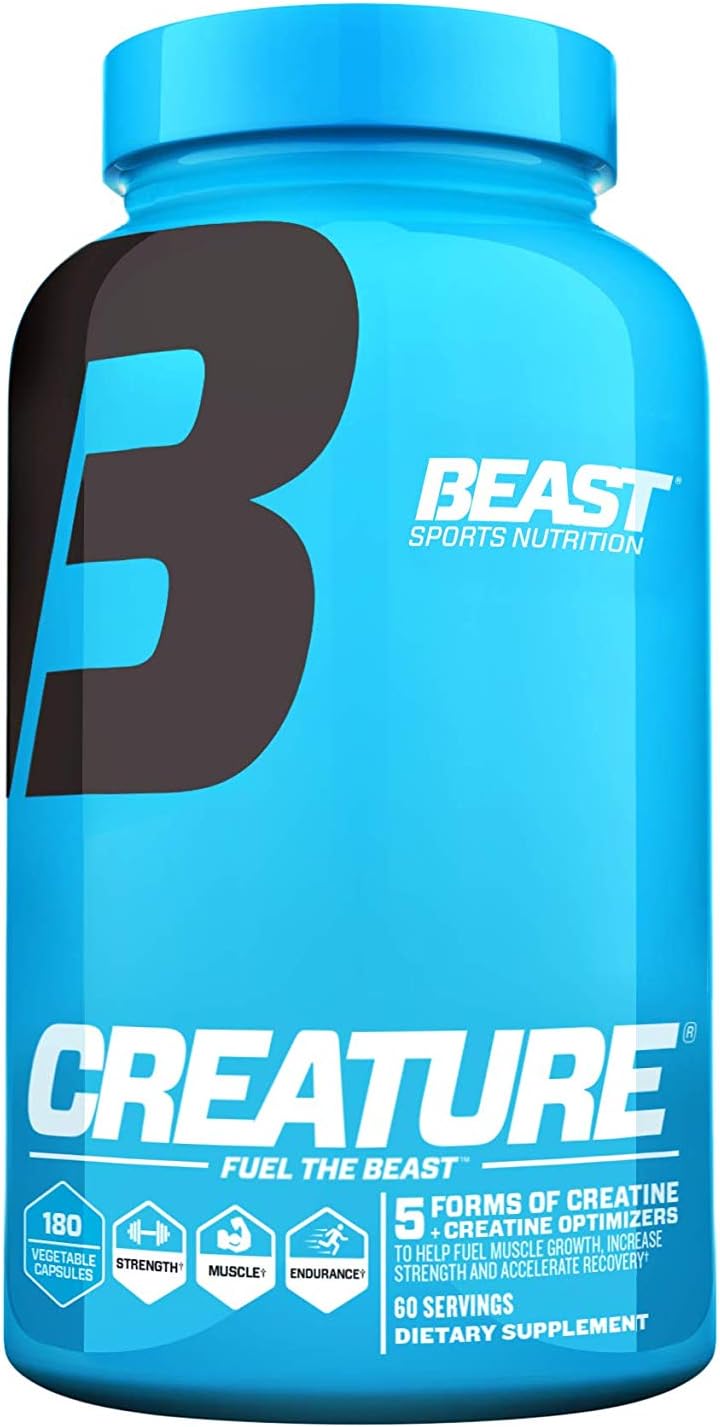
Walk into any supplement store and you will find creatine monohydrate, creatine HCl, buffered creatine, creatine ethyl ester, liquid creatine, and half a dozen other forms. Supplement companies have invested heavily in developing and marketing "advanced" forms of creatine, but does the science support paying premium prices? In this guide, we compare every major creatine form based on actual research.
Creatine Monohydrate
Creatine monohydrate is the original and most researched form. It consists of a creatine molecule bound to a single water molecule, yielding approximately 88% creatine by weight. The International Society of Sports Nutrition's 2017 position stand (Kreider et al.) explicitly stated that creatine monohydrate is the most effective form, and that no other form has been shown to be superior.
Bioavailability: Approximately 99% when taken orally. A 2003 pharmacokinetic study in the Journal of Pharmaceutical and Biomedical Analysis demonstrated near-complete absorption.
Dosing: 3-5g per day (maintenance) or 20g/day for 5-7 days (loading).
Cost: $0.05-0.15 per gram — the most affordable option.
Verdict: The gold standard. Unless you have a specific reason to try another form, monohydrate should be your default choice.
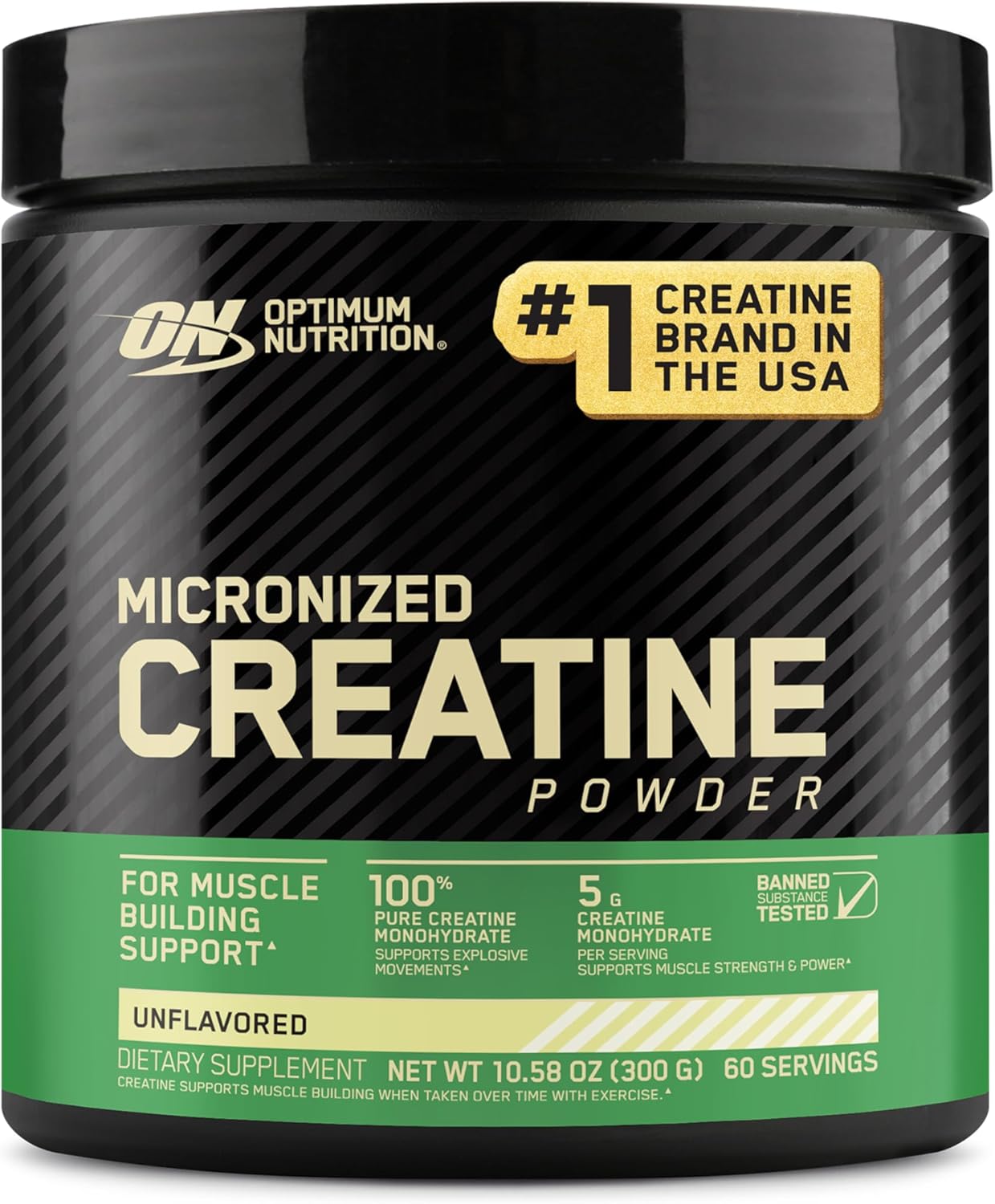
Micronized Creatine Monohydrate
Micronized creatine is simply monohydrate that has been processed into finer particles, typically 10-20 times smaller than standard monohydrate. This improves mixability and may reduce GI discomfort in some users.
Key difference: Dissolves more easily in water. No difference in effectiveness.
Cost: Slightly more expensive than standard monohydrate ($0.08-0.20 per gram).
Verdict: A worthwhile upgrade if you dislike the gritty texture of standard monohydrate. Same efficacy, better user experience.
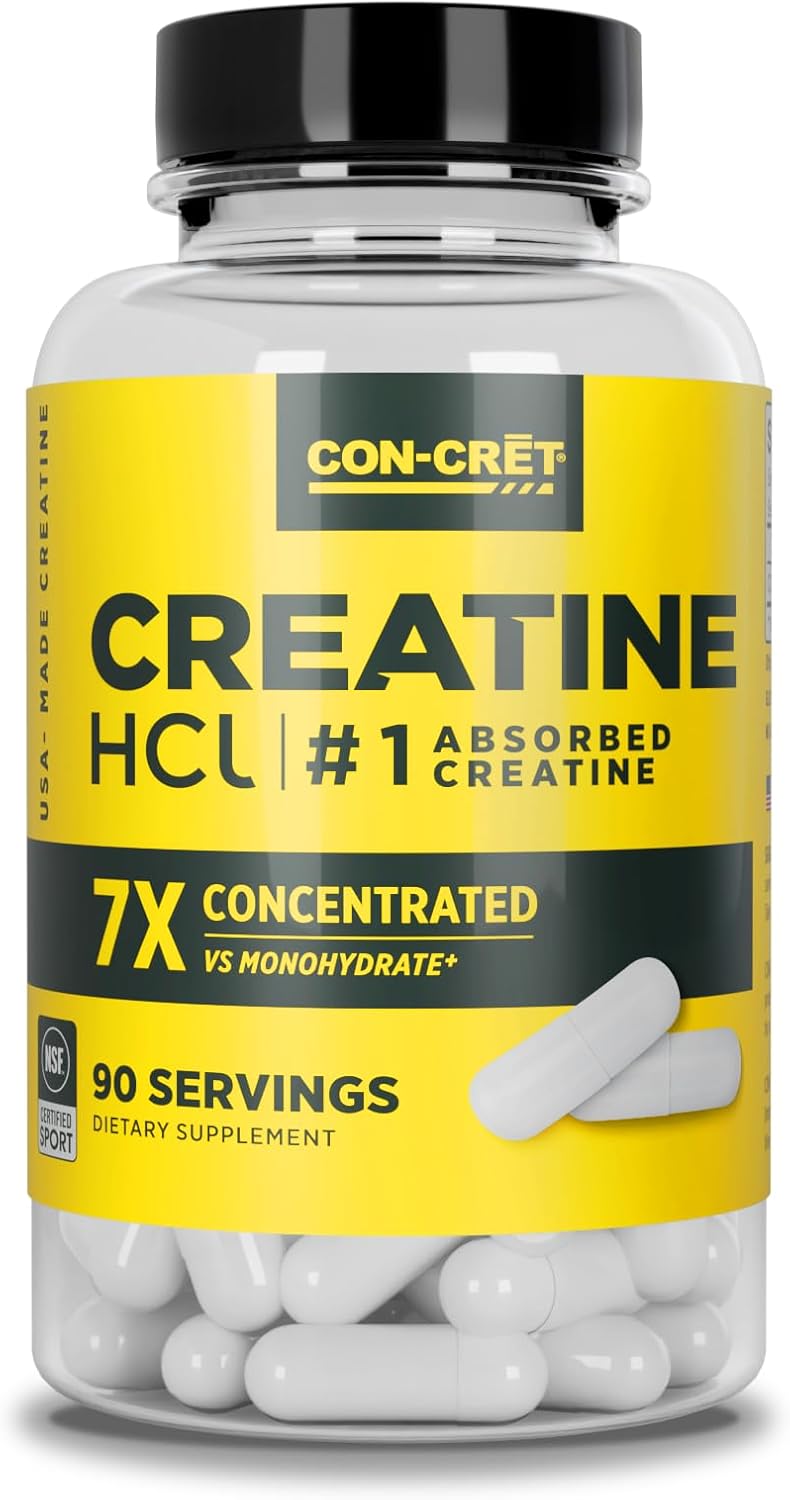
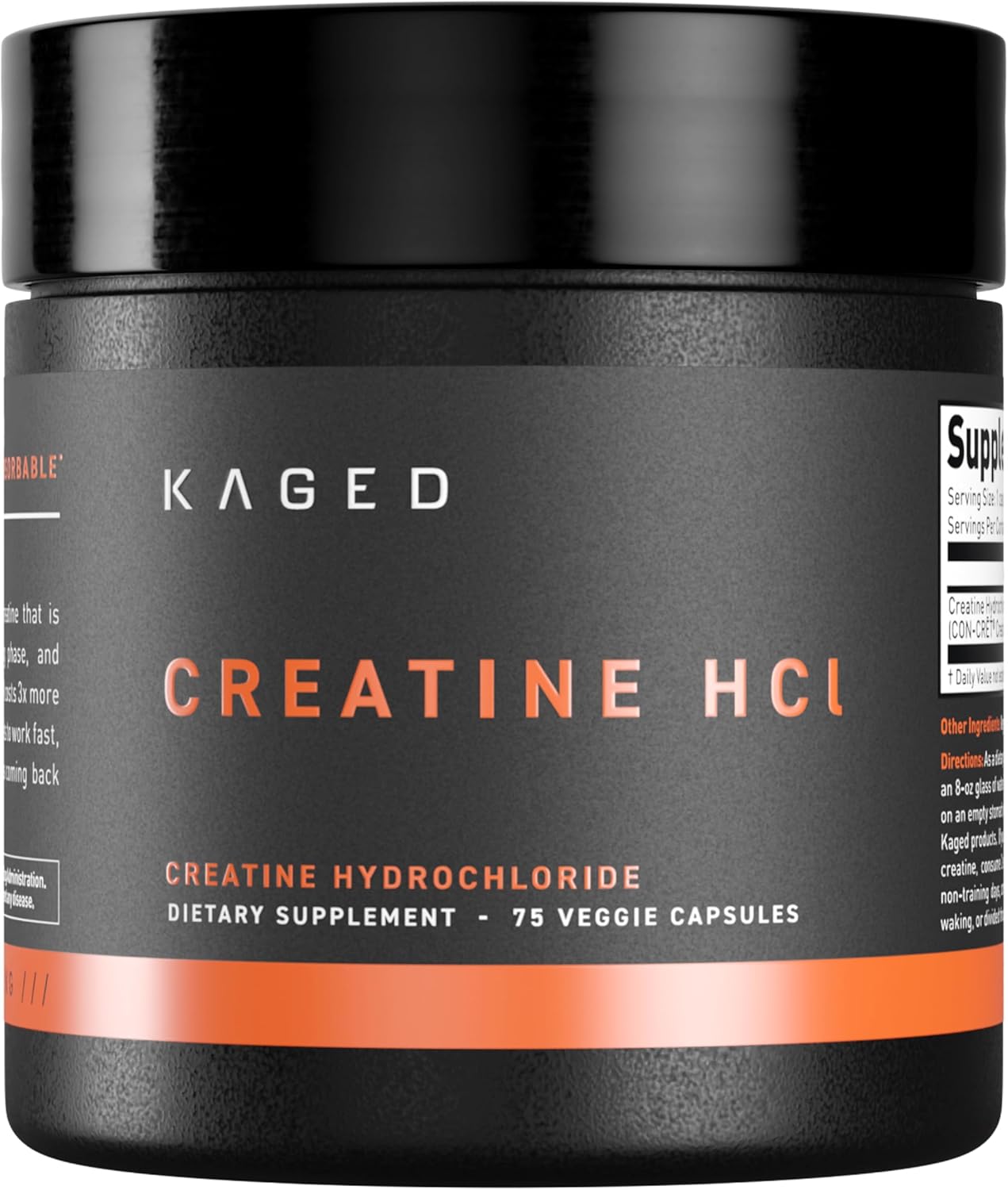
Creatine Hydrochloride (HCl)
Creatine HCl bonds creatine to a hydrochloride group, dramatically increasing water solubility — approximately 38 times more soluble than monohydrate. This enhanced solubility is the basis for claims of superior absorption and lower required dosing.
Research: Limited compared to monohydrate. A 2015 study in the Journal of the International Society of Sports Nutrition found that creatine HCl was effective at improving performance, but did not demonstrate superiority over monohydrate. Most HCl research is in vitro (test tube) rather than clinical.
Dosing: Typically 750mg-1.5g per day — much lower than monohydrate.
Cost: $0.20-0.50 per serving, but servings are smaller.
Verdict: A legitimate alternative for those who experience GI issues with monohydrate. Not proven superior, and more expensive per gram of creatine.
Buffered Creatine (Kre-Alkalyn)
Buffered creatine is creatine monohydrate processed at a higher pH to reduce conversion to creatinine in the stomach. The claim is that more creatine reaches the muscles intact. Kre-Alkalyn is the most well-known brand.
Research: A 2012 study by Jagim et al. in the Journal of the International Society of Sports Nutrition directly compared Kre-Alkalyn to standard monohydrate. The researchers found no significant difference in muscle creatine content, body composition, or strength between the two forms at equivalent doses.
Cost: Significantly more expensive than monohydrate.
Verdict: Not supported by independent research. The premise that stomach acid degrades creatine significantly is not well-supported, as monohydrate already has near-complete bioavailability.
Creatine Ethyl Ester (CEE)
Creatine ethyl ester attaches an ester group to the creatine molecule, supposedly improving membrane permeability and absorption. It was heavily marketed in the mid-2000s.
Research: A 2009 study by Spillane et al. in the Journal of the International Society of Sports Nutrition found that CEE was actually inferior to monohydrate. CEE resulted in higher serum creatinine levels (indicating more breakdown) and less increase in muscle creatine stores compared to monohydrate.
Cost: More expensive than monohydrate.
Verdict: Avoid. Research shows it is less effective than monohydrate, not more.
Creatine Magnesium Chelate
This form chelates creatine with magnesium. A 2004 study in the Journal of Strength and Conditioning Research found that creatine magnesium chelate improved performance to a similar degree as monohydrate, with no clear superiority. You get some supplemental magnesium as a bonus.
Verdict: Comparable to monohydrate but more expensive. Choose it if you also want magnesium supplementation.
Liquid Creatine
Pre-dissolved liquid creatine supplements claim convenience, but creatine is unstable in solution over time. A 2004 study in the Journal of Strength and Conditioning Research (Gill et al.) found that liquid creatine was significantly less effective than monohydrate powder, likely because creatine degrades to creatinine in solution during storage.
Verdict: Avoid. Inferior to powder forms due to stability issues.
Creatine Nitrate
Creatine nitrate bonds creatine to a nitrate group, which may have vasodilatory effects. Research is extremely limited. A 2016 study in the Journal of the International Society of Sports Nutrition found that creatine nitrate was well-tolerated but did not clearly outperform monohydrate.
Verdict: Insufficient evidence. Stick with monohydrate until more research is available.
Summary Comparison
The overwhelming conclusion: creatine monohydrate remains the best choice for the vast majority of users based on effectiveness, research support, and cost.