The Verdict Is Clear
In the creatine vs BCAAs debate, the scientific community has largely reached consensus: creatine is one of the most effective supplements available, while BCAAs have been significantly oversold. Let's break down why.
What Are BCAAs?
BCAAs (branched-chain amino acids) are three essential amino acids — leucine, isoleucine, and valine — that play roles in muscle protein synthesis. They were heavily marketed in the 2000s and 2010s as essential for muscle recovery and growth. However, the research landscape has shifted considerably.
Why Creatine Wins
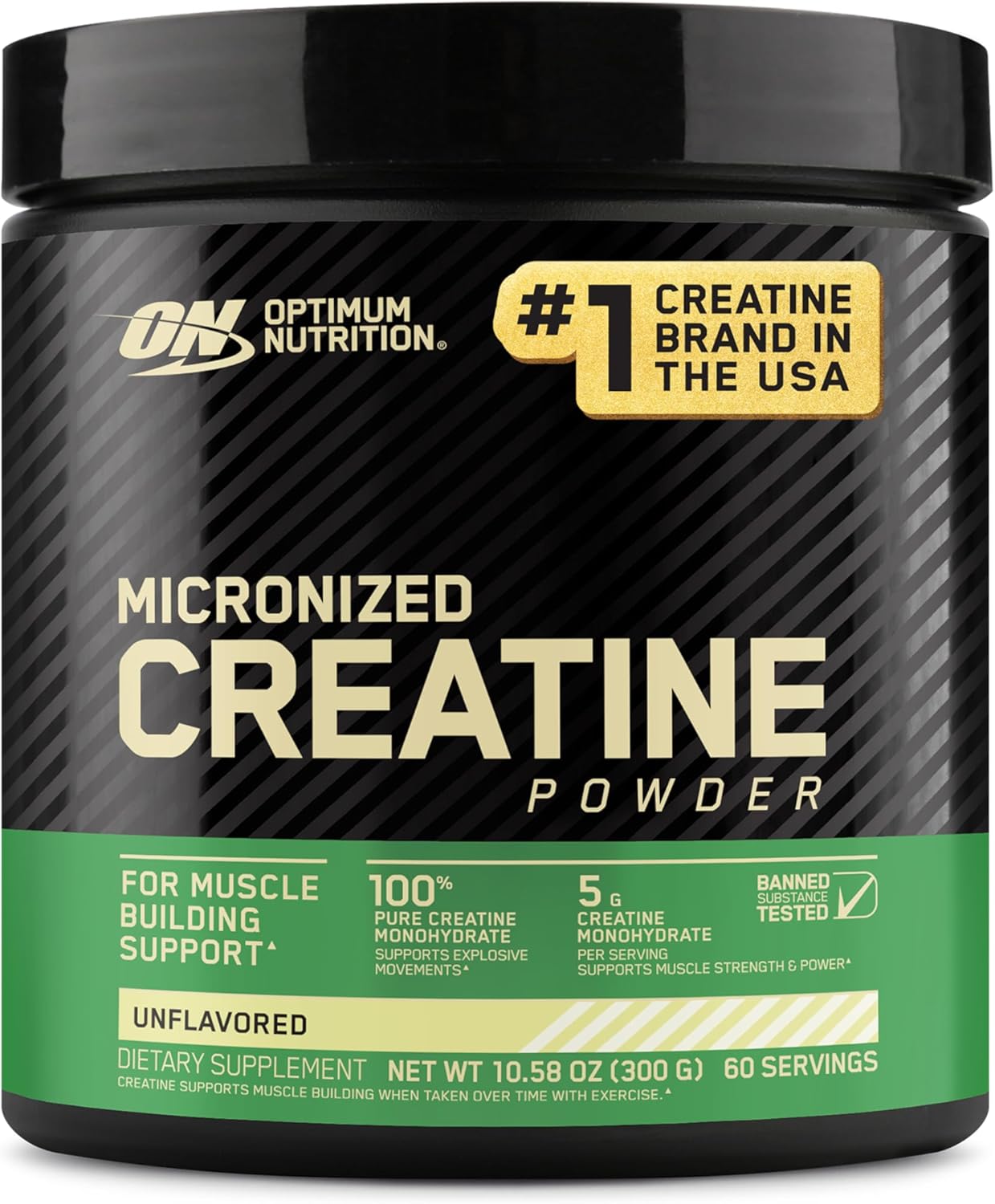
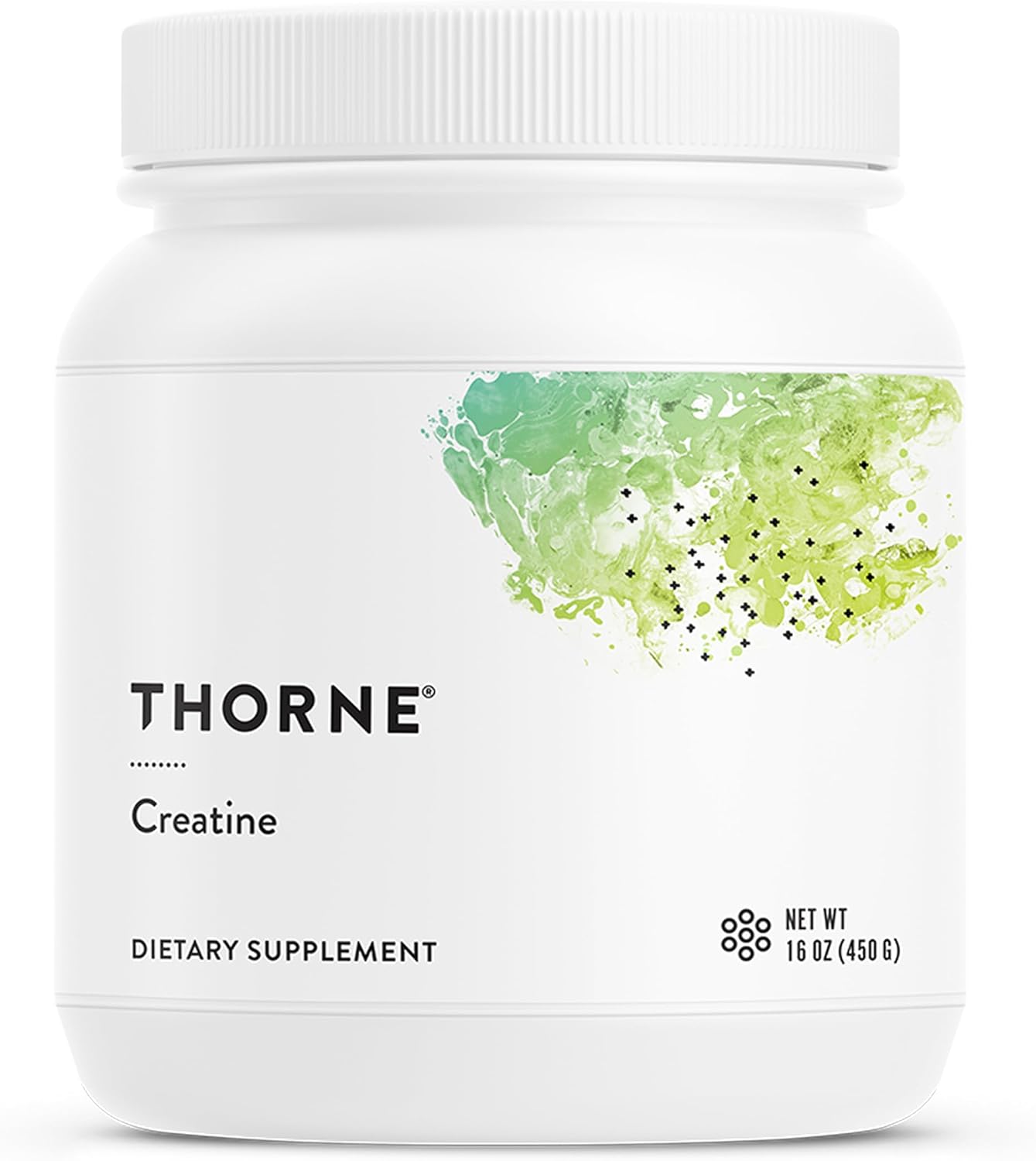
Creatine provides a unique physiological benefit that cannot be replicated through diet alone — at least not efficiently. While you can get creatine from red meat and fish, you'd need to eat 1-2 pounds of raw beef daily to match what a 5g supplement provides. Creatine increases phosphocreatine stores, directly enhancing your ability to produce ATP during high-intensity exercise.
The evidence base for creatine is staggering: over 500 peer-reviewed studies, multiple position stands from the International Society of Sports Nutrition, and consistent findings across diverse populations. Benefits include increased strength (5-10%), greater lean mass gains, improved sprint performance, and emerging cognitive benefits.
Why BCAAs Have Fallen Out of Favor
The BCAA industry built its marketing on early studies showing leucine triggers mTOR, a key pathway in muscle protein synthesis. What they didn't emphasize: muscle protein synthesis requires ALL essential amino acids, not just three. Taking BCAAs alone actually pulls the other essential amino acids from your existing muscle tissue to complete the synthesis process, potentially creating a net negative effect.
A landmark 2017 review in the Journal of the International Society of Sports Nutrition concluded that there is no credible evidence that BCAAs alone stimulate muscle protein synthesis or produce an anabolic response in humans. If you consume adequate protein (1.6-2.2g/kg/day), BCAAs provide zero additional benefit.
When BCAAs Might Still Make Sense
There are a few narrow scenarios where BCAAs could be useful: if you train fasted and cannot tolerate any food before training, BCAAs may help reduce muscle breakdown. If you're on a very low-protein diet due to medical restrictions, BCAAs provide targeted amino acids. And some people simply enjoy BCAA drinks for the flavor and hydration encouragement.
Cost Analysis
A month's supply of creatine monohydrate costs $5-15. A month's supply of BCAAs typically costs $20-40. Given that BCAAs provide minimal benefit to anyone eating adequate protein, this is a poor value proposition. That BCAA budget is better spent on creatine, whole food protein, or simply better food quality.
Stacking Considerations
If you want to cover all bases, your supplement priority should be: (1) creatine monohydrate, (2) protein powder if needed, (3) everything else. BCAAs rank far below creatine in terms of evidence-based value. The money saved by skipping BCAAs can fund months of creatine supplementation.
The Bottom Line
Choose creatine. The research is overwhelming, the cost is minimal, and the benefits are real. BCAAs had their moment, but modern sports nutrition has moved on. Save your money for supplements that actually work.