The Two Pillars of Sports Supplementation
If sports nutrition had a Mount Rushmore, creatine monohydrate and whey protein would be the first two faces carved. These are the most researched, most effective, and most widely recommended supplements for anyone involved in resistance training or athletics.
Different Roles, Same Goal
Creatine enhances your ability to perform during workouts by increasing phosphocreatine availability for ATP regeneration. More energy during sets means more weight, more reps, and more total training volume. This greater mechanical tension and metabolic stress creates a stronger stimulus for muscle growth.
Whey protein provides the raw materials your body needs after that stimulus has been created. Whey is a fast-digesting complete protein rich in leucine — the amino acid that most powerfully triggers muscle protein synthesis. When consumed after training (or really, at any point during the day), whey protein contributes to the repair and growth of muscle tissue.
The Synergy Effect
Research consistently shows that combining creatine and protein supplementation with resistance training produces greater results than either supplement alone. A study by Cribb et al. (2007) in the International Journal of Sport Nutrition and Exercise Metabolism found that the creatine + whey protein group gained significantly more lean mass and strength compared to whey protein alone or a carbohydrate placebo.
The mechanism is straightforward: creatine allows you to train harder, creating more stimulus. Whey protein provides more building materials for recovery. Better stimulus + better recovery = more growth.
Optimal Stacking Protocol
Creatine: 3-5g daily, every day (including rest days). Timing doesn't matter significantly — consistency is key. Many people add it to their post-workout shake for convenience.
Whey protein: 20-40g per serving, 1-3 times daily as needed to meet your total protein target (1.6-2.2g/kg bodyweight). The post-workout window is convenient but not critical — total daily protein intake matters more than timing.
Together: You can mix creatine directly into your whey protein shake. The carbohydrates and amino acids in whey may slightly enhance creatine uptake by stimulating insulin release, though this effect is modest.
Choosing Quality Products
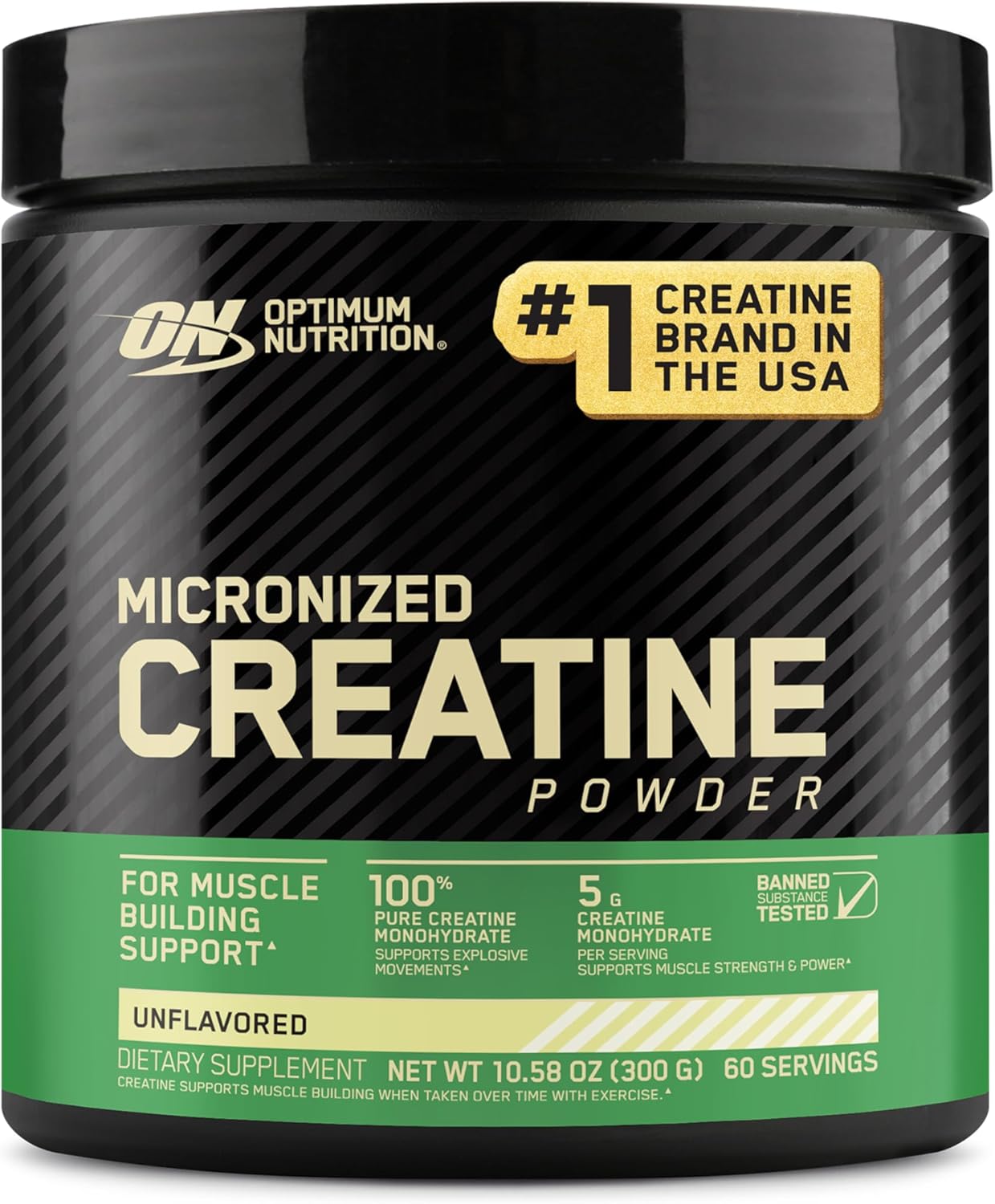
For creatine, look for third-party tested creatine monohydrate. Creapure® is the gold standard for purity. For whey protein, choose products that have been tested by organizations like NSF Certified for Sport or Informed Sport, especially if you're a competitive athlete subject to drug testing.
Budget Considerations
If finances are tight, buy creatine first — its performance benefits are unique and can't be replicated by food. You can get protein from chicken, eggs, fish, and dairy. Creatine monohydrate at 5g/day costs roughly $5-10 per month. A decent whey protein adds $30-60 per month depending on brand and usage.
Plant-Based Alternatives
If you're vegan or lactose intolerant, plant-based protein powders (pea, rice, soy blends) provide a viable alternative to whey. They may require slightly higher doses to match whey's leucine content, but they're effective for muscle growth. Creatine monohydrate is synthetic and vegan-friendly regardless of brand.
The Bottom Line
Creatine and whey protein are the foundation of any evidence-based supplement regimen. Stack them for maximum results, or prioritize creatine if budget is limited.