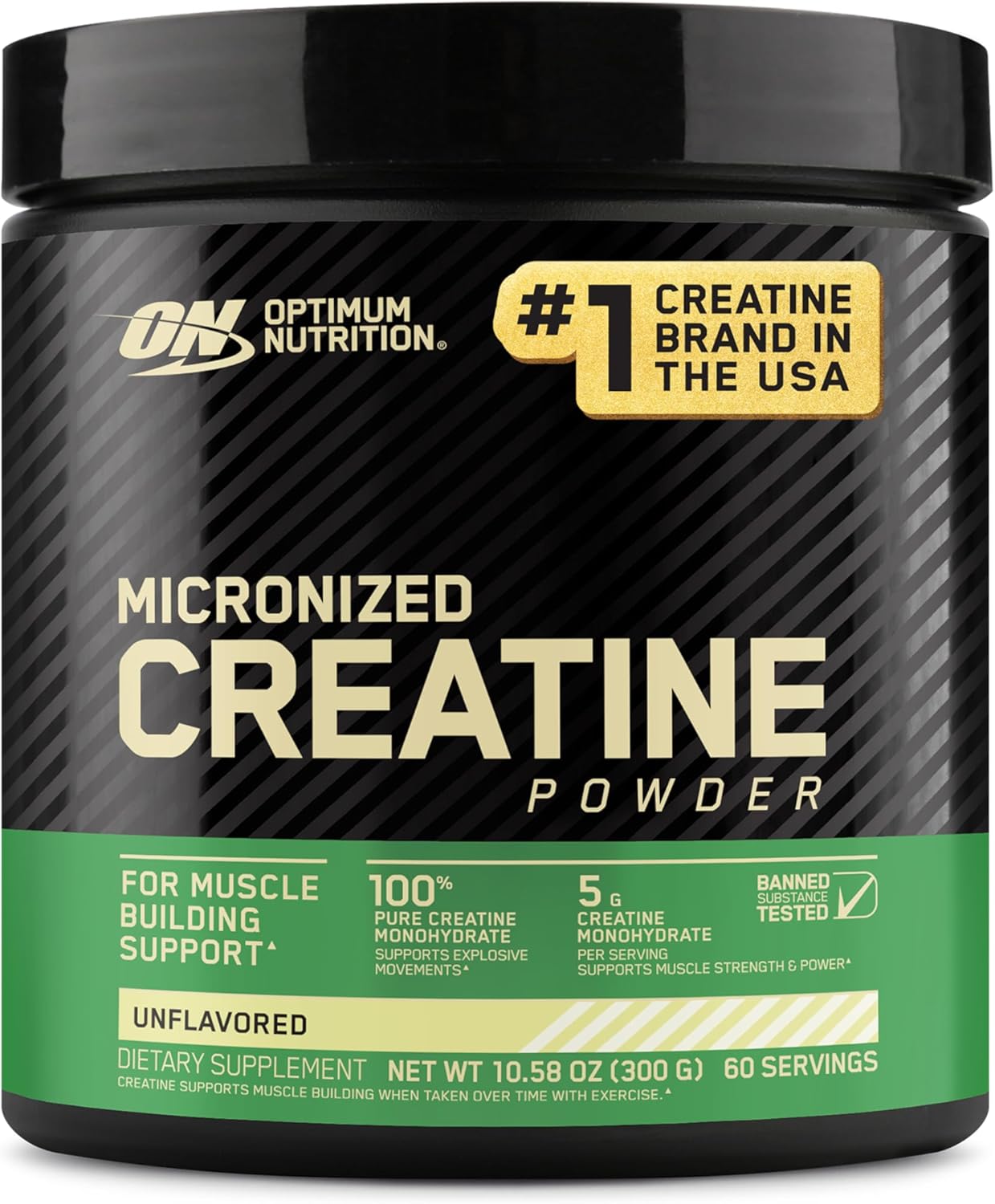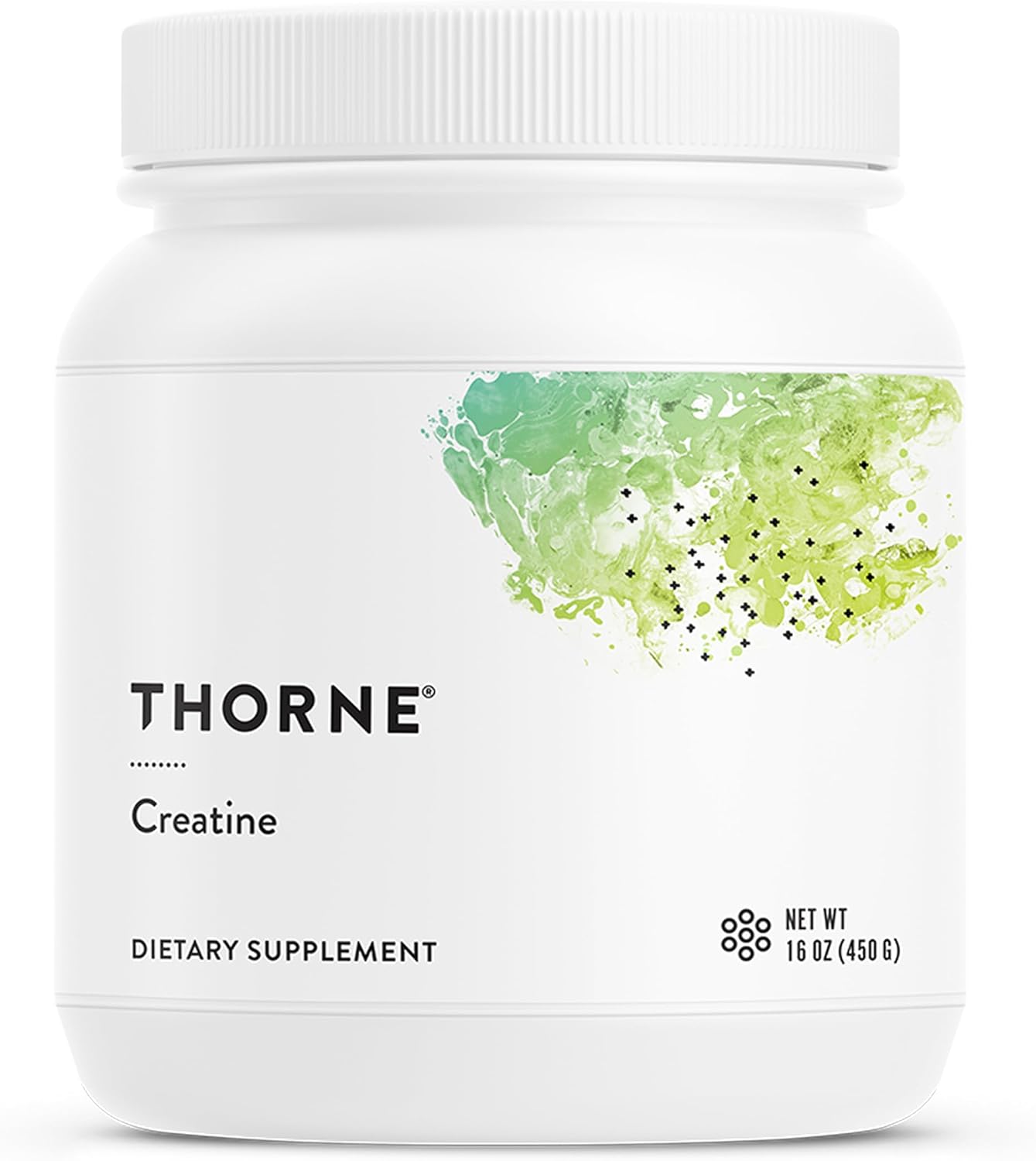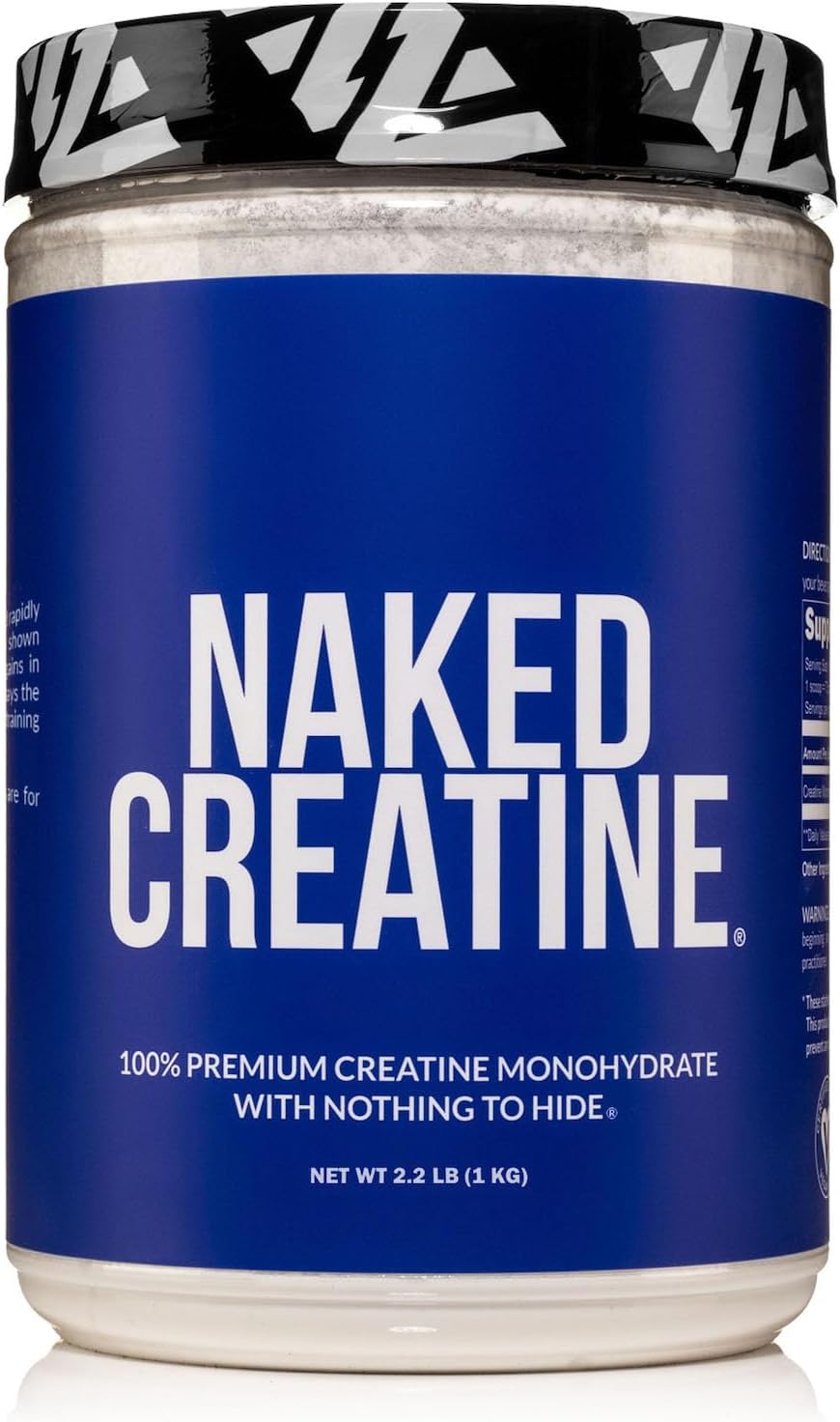
Two Supplements, Two Energy Systems
Creatine and beta-alanine are both evidence-based sports supplements backed by International Society of Sports Nutrition position stands. Unlike many supplement comparisons where one clearly outperforms the other, these two genuinely target different physiological systems and can be stacked effectively.
How Creatine Works
Creatine increases phosphocreatine stores in your muscles, allowing faster ATP regeneration during short, explosive efforts. This phosphagen energy system dominates during the first 6-10 seconds of maximum effort — think heavy singles, short sprints, and explosive jumps. By boosting this system, creatine allows you to produce more force and maintain peak power output for slightly longer.
How Beta-Alanine Works
Beta-alanine is a precursor to carnosine, a dipeptide stored in muscle tissue that acts as an intracellular acid buffer. During sustained high-intensity exercise lasting 1-4 minutes, your muscles produce hydrogen ions that lower pH and contribute to that burning sensation and fatigue. Higher carnosine levels buffer this acid, allowing you to sustain intense effort for longer before fatigue forces you to slow down.
Where Each Excels
Creatine shines for: heavy lifting (1-5 rep sets), sprinting (under 30 seconds), power sports, high-intensity interval training, and sports requiring repeated explosive efforts.
Beta-alanine shines for: high-rep sets (15-30 reps), 400-1500m track events, rowing, cycling time trials, combat sports rounds, and any sustained effort in the 1-4 minute range.
The Science of Stacking
A 2006 study by Hoffman et al. found that combining creatine and beta-alanine resulted in greater improvements in body composition, strength, and power output compared to creatine alone in collegiate football players. The combination covers both the phosphagen and glycolytic energy systems, creating a more complete ergogenic effect.
Multiple studies have confirmed that there are no negative interactions between creatine and beta-alanine. They can be taken together without reducing the effectiveness of either supplement.
Dosing Protocol
Creatine: 3-5g of creatine monohydrate daily. No cycling needed. Take at any time.
Beta-alanine: 3.2-6.4g daily, split into multiple doses to minimize tingling (paresthesia). It takes 4-8 weeks of consistent supplementation to fully load muscle carnosine stores. The tingling is harmless and typically occurs with doses above 800mg at once.
Who Should Take What?
Creatine only: If you primarily lift heavy weights, do short sprints, or play sports with brief explosive efforts. This covers most gym-goers.
Both creatine and beta-alanine: If you do CrossFit, combat sports, rowing, circuit training, or any activity that involves both explosive power and sustained high-intensity work. Also valuable for athletes in team sports who need both sprint power and repeated effort endurance.
Beta-alanine only: Rarely recommended as a standalone supplement. Creatine provides broader benefits and should be the foundation of any evidence-based supplement stack.
Cost and Value
Creatine monohydrate costs roughly $0.05-0.20/day. Beta-alanine runs about $0.15-0.30/day. Stacking both is still extremely affordable compared to most pre-workout supplements, which often contain both ingredients anyway (though sometimes in underdosed amounts).
The Bottom Line
Don't choose between creatine and beta-alanine — stack them. If budget is a concern, start with creatine (broader benefits, more research) and add beta-alanine when your training involves significant glycolytic work.