What's the Difference?
Creatine and protein powder are the two most popular sports supplements on the planet, but they work through completely different mechanisms. Understanding these differences is crucial for building an effective supplement stack.
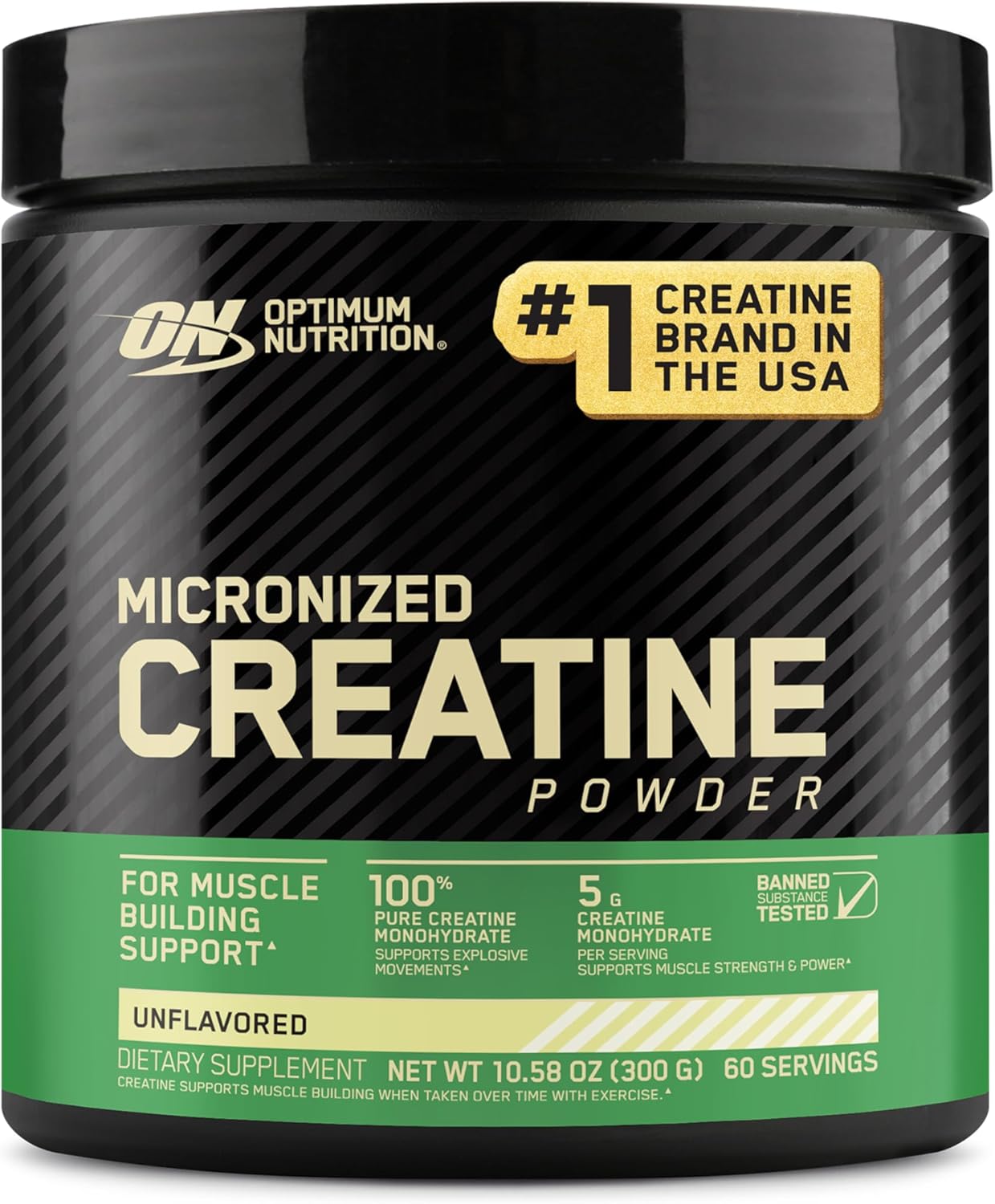
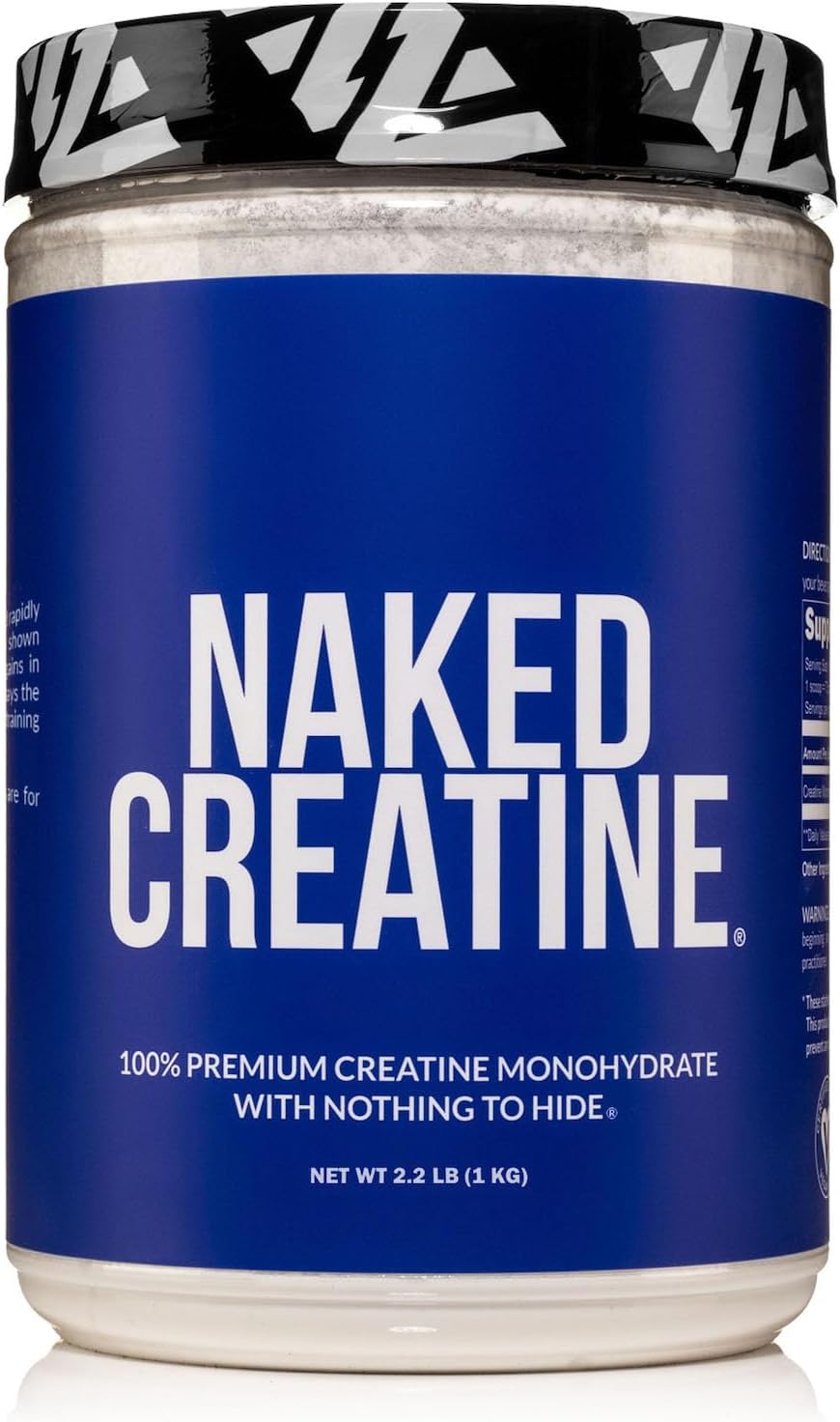
Creatine is a compound that increases your muscles' stores of phosphocreatine, which is used to regenerate ATP — your body's primary energy molecule. More ATP means more energy during short, intense efforts like heavy lifts, sprints, and explosive movements. Creatine monohydrate is the most studied form with decades of research confirming its safety and efficacy.
Protein powder provides amino acids — the building blocks your body uses to repair and build muscle tissue after exercise. Whey protein is the most popular form due to its complete amino acid profile and rapid absorption, though casein, egg, and plant-based options are also effective.
How They Work Together
These supplements are synergistic, not redundant. Creatine lets you train harder by providing more energy during workouts. Protein provides the raw materials to repair and grow the muscle tissue you've broken down during those harder workouts. The combination creates a positive feedback loop: better performance leads to greater stimulus, which combined with adequate protein intake leads to more muscle growth.
A 2003 study published in the International Journal of Sport Nutrition found that participants combining creatine and protein supplementation with resistance training gained significantly more lean mass than those using either supplement alone.
When to Use Each
Take creatine if your primary goals are increasing strength, power output, or high-intensity exercise performance. It's also worth considering for cognitive benefits, especially if you're vegetarian or vegan (since dietary creatine comes from animal products).
Take protein powder if you struggle to meet your daily protein needs through whole foods alone. Most research suggests 1.6-2.2g of protein per kilogram of body weight per day for muscle growth. If you're already hitting that through food, additional protein powder won't provide extra benefit.
Take both if you're serious about maximizing gym performance and muscle growth. This is the most common recommendation among sports nutritionists and is supported by the International Society of Sports Nutrition.
Dosage and Timing
For creatine, take 3-5g of creatine monohydrate daily. Timing doesn't matter much — consistency is what counts. For protein, aim to distribute your daily protein intake across 3-5 meals, with 20-40g per meal. A post-workout protein shake is convenient but not strictly necessary if your overall daily intake is adequate.
You can absolutely mix creatine directly into your protein shake. There's no negative interaction between the two supplements.
Cost Comparison
Creatine is one of the most cost-effective supplements available, typically costing $0.05-0.20 per day. Protein powder costs significantly more at $0.50-2.00 per serving depending on brand and type. However, protein powder partially replaces food costs, making the net expense lower than it appears.
The Bottom Line
Don't choose between creatine and protein powder — they complement each other perfectly. If budget forces you to pick one, creatine offers better bang for your buck as a supplement since you can get protein from food. But ideally, use both as part of a well-rounded nutrition plan.