Two Different Approaches to Performance
Creatine and pre-workout supplements represent fundamentally different approaches to improving exercise performance. Understanding this distinction is key to making smart supplement choices.
How Creatine Works
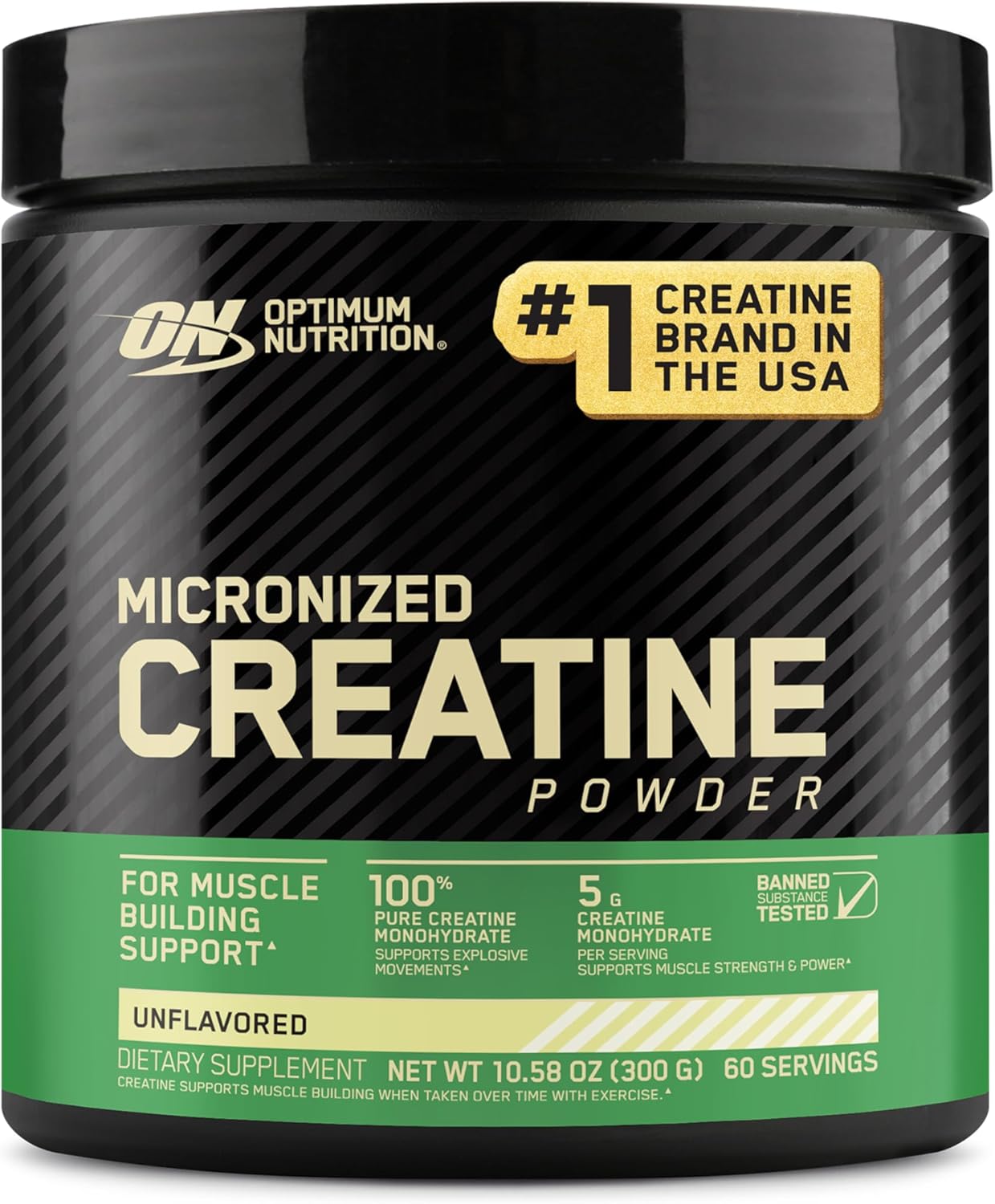
Creatine operates through saturation — you take 3-5g daily, and over 2-4 weeks your muscle creatine stores reach maximum capacity. At that point, you have more phosphocreatine available to regenerate ATP during high-intensity efforts. This isn't something you "feel" in the moment like a caffeine buzz. It's a physiological change that allows you to eke out an extra rep or maintain power output slightly longer during each set.
The effects of creatine are cumulative and persist as long as you maintain daily supplementation. There's no tolerance, no cycling needed, and no diminishing returns. It works the same on day 1,000 as it does on day 30.
How Pre-Workout Works
Pre-workout supplements are designed to provide an acute boost in energy, focus, and performance for a single training session. The primary active ingredient in most pre-workouts is caffeine (typically 150-400mg per serving), combined with varying amounts of other compounds like beta-alanine, citrulline malate, and sometimes creatine.
The effects are immediately noticeable: increased alertness, elevated heart rate, and a subjective feeling of readiness to train hard. However, these effects are temporary and subject to tolerance — regular caffeine users need progressively more to achieve the same effect.
The Proprietary Blend Problem
Many pre-workout supplements hide their ingredient doses behind "proprietary blends," listing ingredients without specifying amounts. This means you might be getting clinically effective doses of beneficial compounds, or you might be getting pixie-dusted amounts with a large caffeine dose to make you feel something. Creatine, by contrast, is a single ingredient — what you see is what you get.
When pre-workouts do include creatine, it's often underdosed. Clinical studies use 3-5g of creatine monohydrate, but many pre-workouts include only 1-2g. If you rely solely on pre-workout for your creatine, you're likely not reaching saturation levels.
Cost Analysis
This is where the difference becomes stark. A month's supply of creatine monohydrate costs $5-15. A month's supply of pre-workout (assuming 5 training days per week) costs $25-60+. Over a year, that's the difference between $60-180 for creatine versus $300-720 for pre-workout.
For that pre-workout budget, you could buy creatine, caffeine pills ($0.05 each), and beta-alanine powder — getting clinically dosed ingredients for a fraction of the cost.
The Smart Approach
The most cost-effective and evidence-based approach is to buy creatine monohydrate separately and take it daily. For training days when you want an energy boost, use caffeine strategically — either through coffee or caffeine pills. This gives you the proven long-term benefits of creatine plus the acute stimulation of pre-workout without the markup or underdosed extras.
If you do use a pre-workout, still take your creatine separately to ensure you're getting the full 3-5g daily dose. And choose pre-workouts that disclose all ingredient amounts — transparency is a sign of a quality product.
Who Needs Pre-Workout?
Most people don't need pre-workout supplements. A cup of coffee provides 80-100mg of caffeine and costs pennies. Pre-workouts are most valuable for people who train very early in the morning and need reliable, fast-acting energy, or for competitive athletes in peaking phases who need maximum acute performance.
The Bottom Line
Creatine is the better long-term investment with stronger evidence and dramatically lower cost. Pre-workout provides a noticeable acute boost but comes with tolerance issues, higher costs, and quality concerns. If you're choosing between the two, pick creatine every time.