The pH Buffering Claim vs Published Science
Kre-Alkalyn is a patented form of creatine that has been pH-buffered to a level of 12. The central marketing claim is that standard creatine monohydrate degrades into creatinine (an inactive waste product) when exposed to stomach acid, and that Kre-Alkalyn's buffering prevents this degradation, delivering more active creatine to your muscles.
This claim has been directly tested and refuted in peer-reviewed research.
The Definitive Study: Jagim et al. (2012)
The most important study in this comparison was published in the Journal of the International Society of Sports Nutrition by Jagim et al. (2012). This was a double-blind, randomized controlled trial that directly compared Kre-Alkalyn to creatine monohydrate over 28 days in resistance-trained men.
The findings were unambiguous:
1. Kre-Alkalyn did not increase muscle creatine content more than standard monohydrate
2. There were no significant differences in body composition changes between groups
3. There were no significant differences in strength or performance outcomes
4. The Kre-Alkalyn group actually showed lower total muscle creatine content than the monohydrate group at the manufacturer's recommended dose
The researchers concluded that "Kre-Alkalyn supplementation does not promote greater changes in muscle creatine content, body composition, or training adaptations in comparison to creatine monohydrate."
Why the Stomach Acid Argument Fails
The premise that stomach acid destroys creatine monohydrate is not supported by pharmacokinetic research. Studies measuring creatine bioavailability have consistently found that creatine monohydrate is absorbed at rates approaching 100% when taken orally. While small amounts of creatine may convert to creatinine over time in solution, this conversion is minimal at physiological pH and temperature, and the transit time through the stomach is too brief for significant degradation.
Furthermore, Jagim et al. found that Kre-Alkalyn essentially converts to standard creatine monohydrate once it encounters stomach acid, negating the pH-buffering advantage entirely.
The ISSN Position
The International Society of Sports Nutrition's 2017 position stand on creatine (Kreider et al.) specifically states that creatine monohydrate is the most effective and well-studied form. The position stand notes that "attempts to market other forms of creatine as superior to monohydrate have not been supported by scientific evidence." This includes buffered forms like Kre-Alkalyn.
Cost Analysis
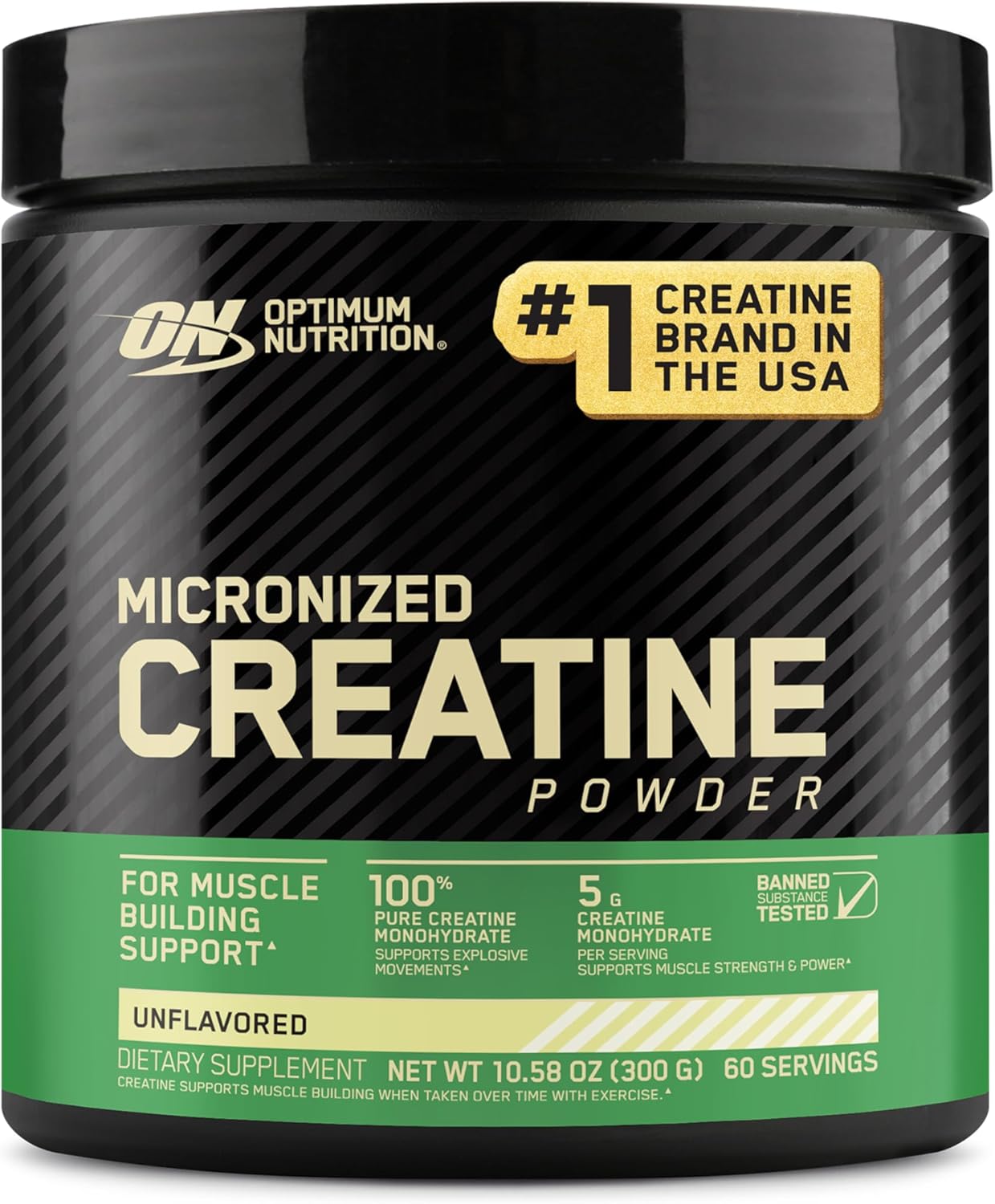
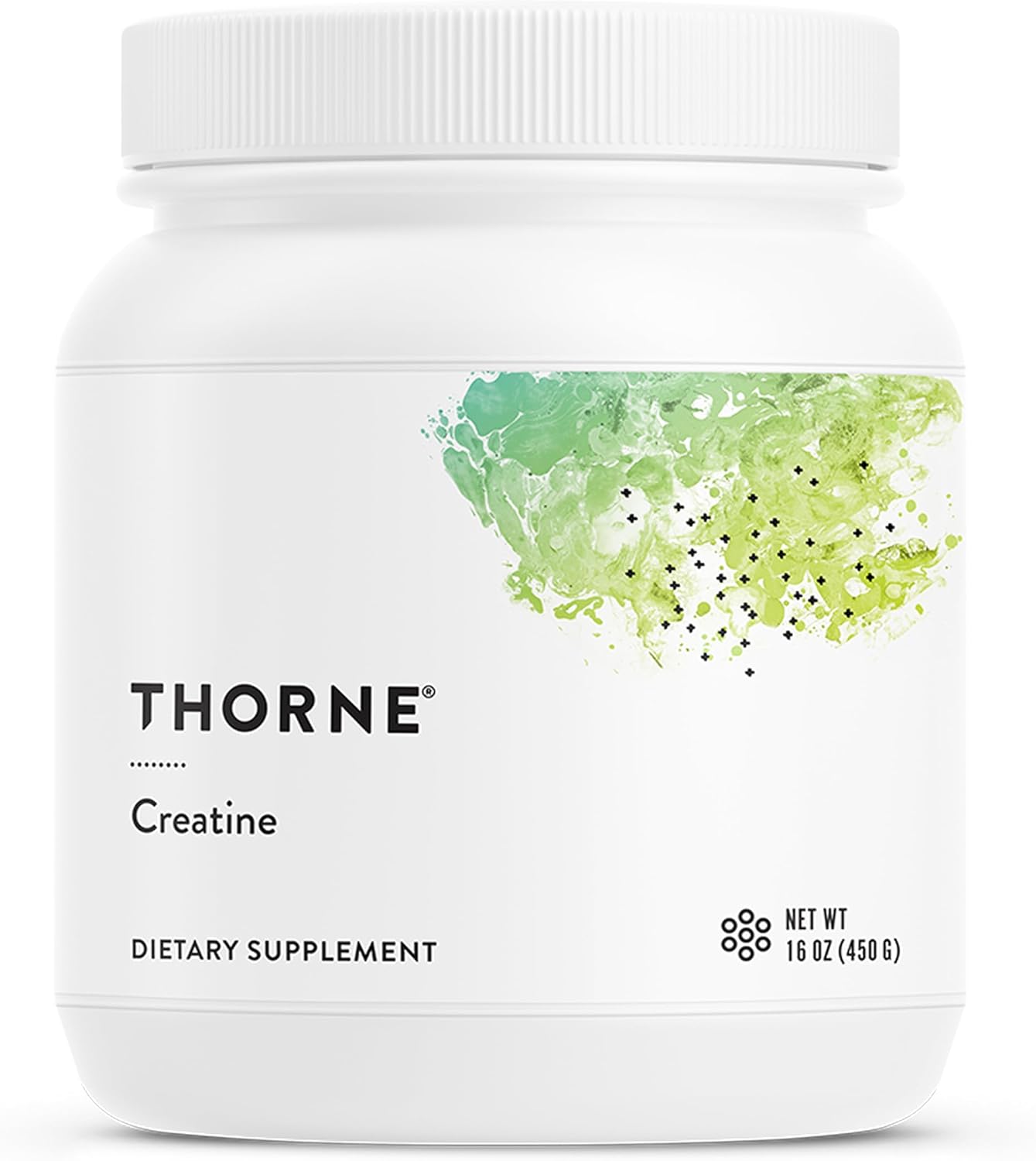
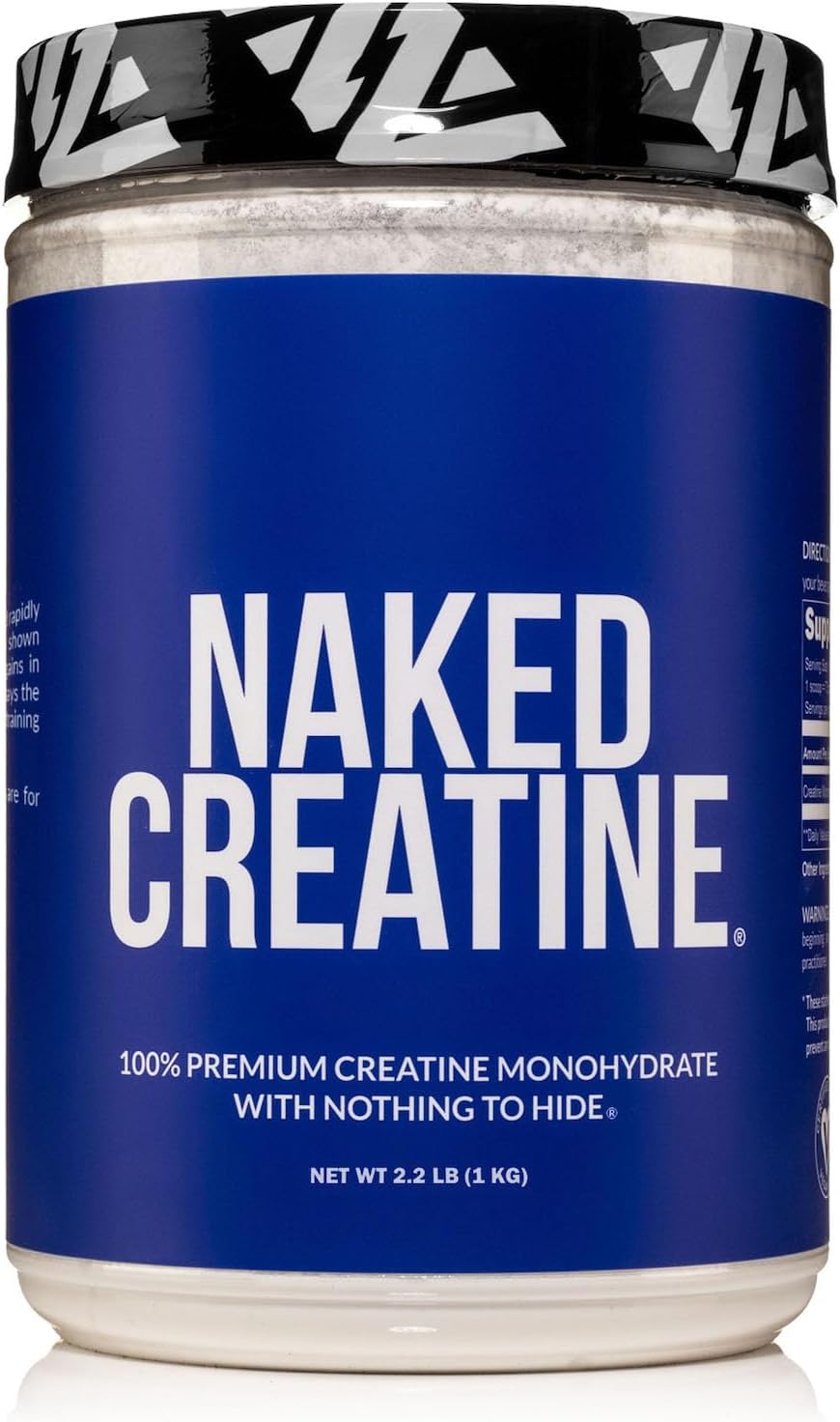
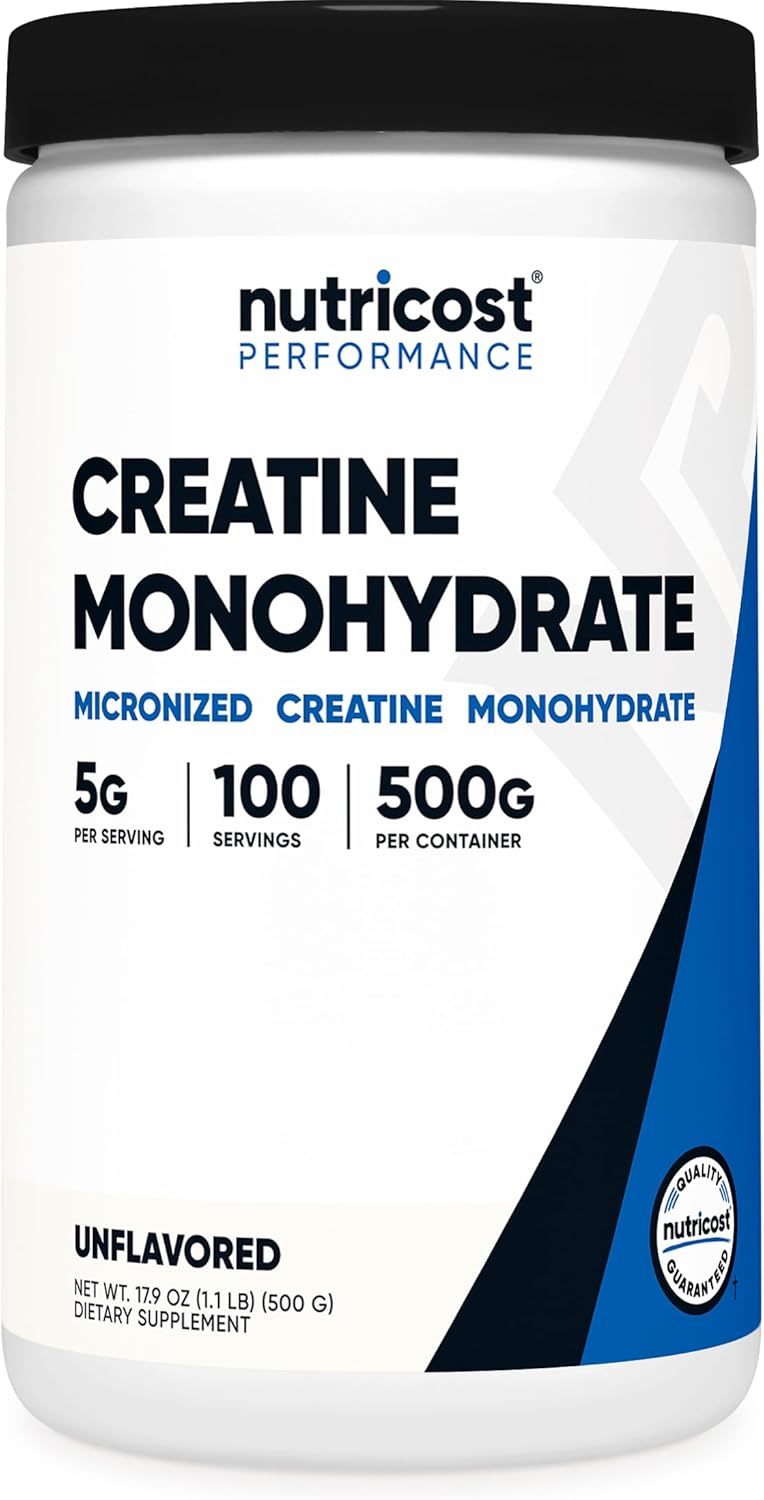
- Creatine monohydrate: $0.05-0.20/serving (5g)
- Kre-Alkalyn: $0.30-0.60/serving (1.5g capsules, recommended 2-3 per day)
Over one year: $18-73 for monohydrate vs $109-219 for Kre-Alkalyn. You pay 3-5x more for a product that peer-reviewed research shows performs equivalently (or worse) than the cheaper option.
When Kre-Alkalyn Might Make Sense
The only scenario where Kre-Alkalyn has a practical advantage is convenience: it comes in capsule form, which is easier to carry and take on the go than powder. However, creatine monohydrate is also available in capsules from multiple brands, eliminating even this advantage.
Some users report subjectively less bloating with Kre-Alkalyn compared to monohydrate. This is anecdotal and has not been confirmed in controlled studies. If bloating is a concern, trying micronized creatine monohydrate or reducing the dose typically resolves the issue.
The Bottom Line
The science is clear: creatine monohydrate is equally or more effective than Kre-Alkalyn at a fraction of the cost. The pH-buffering marketing claim has been directly tested and found to provide no measurable advantage. Choose creatine monohydrate and save your money.